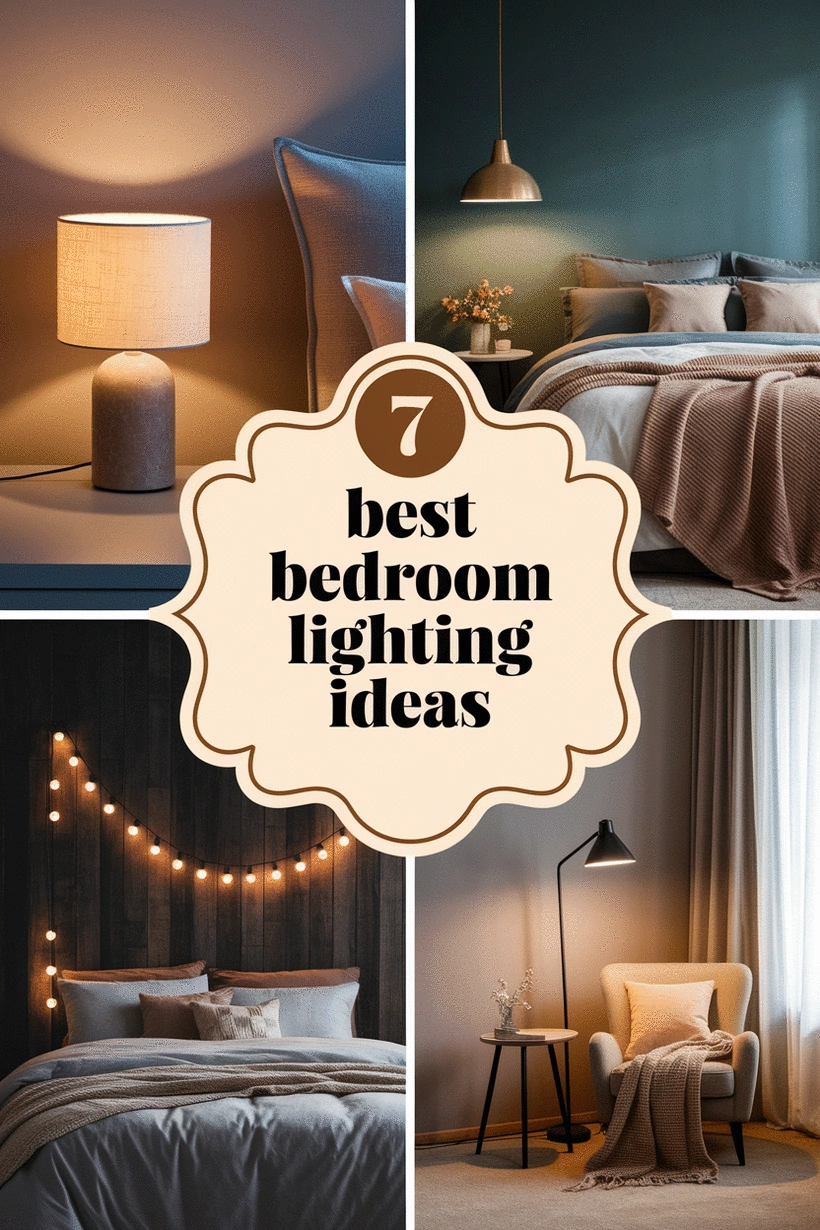
7 Best Bedroom Lighting Ideas for Relaxing Sleep
Did you know that the right bedroom lighting can significantly enhance your sleep quality? Exploring the interplay between light and our internal clocks reveals straightforward adjustments that can transform your sleep sanctuary.
As an Amazon Associate I earn from qualifying purchases. Affiliate links may earn me a commission at no extra cost to you.
What You Will Learn
- Melatonin production is primarily stimulated by darkness; therefore, minimizing light exposure at night is crucial for better sleep.
- Maximizing natural light exposure during the day helps regulate your biological clock, enhancing overall sleep quality.
- Warm lighting creates a soothing atmosphere conducive to relaxation, while dimmable lights allow you to adjust ambiance as needed.
- Using blue-depleted lighting solutions can protect your sleep patterns from disruption caused by blue light exposure before bedtime.
Understanding the Role of Bedroom Lighting in Sleep Quality
When it comes to creating a cozy bedroom sanctuary, one of the most vital elements is lighting. The right lighting not only enhances the beauty of your space but also plays a crucial role in your overall sleep quality. As we dive into how lighting affects our sleep, you might find that a few adjustments can transform your bedroom into a true retreat.
Our bodies naturally respond to light, which influences our circadian rhythms—the internal clock governing our sleep-wake cycles. In this section, I’ll explore how light affects your sleep hormones and share how you can harness this knowledge to create a relaxing atmosphere in your bedroom.
How Light Affects Circadian Rhythms and Sleep Hormones
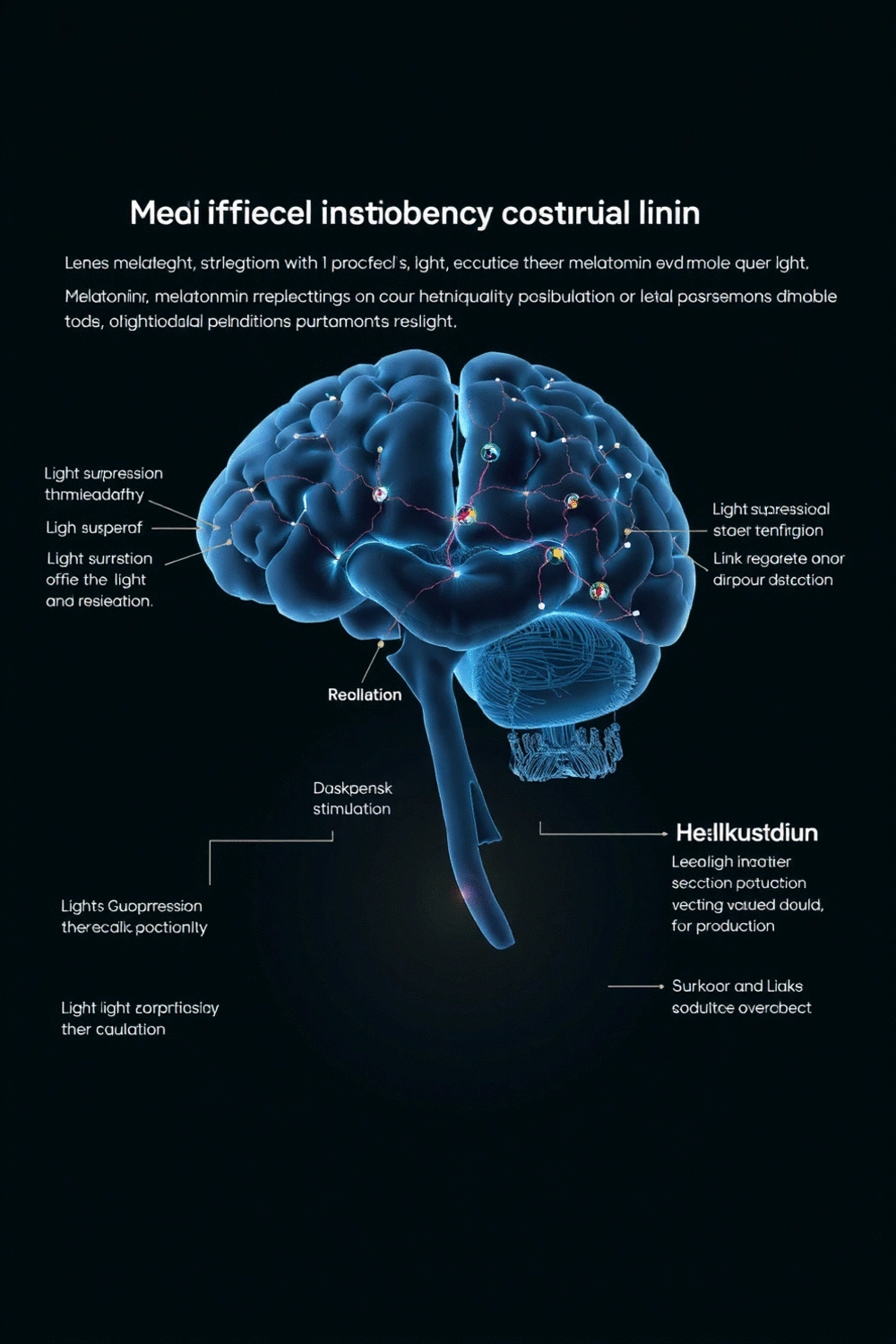
Let’s break down the science! Our bodies produce melatonin, the hormone responsible for regulating sleep, primarily in response to darkness. When it’s dark, melatonin production increases, signaling that it's time to sleep. Conversely, exposure to light, especially blue light from screens, can suppress melatonin, making it harder to doze off.
- Limit screen time before bed to reduce blue light exposure.
- Use blackout curtains to keep your bedroom dark at night.
- Consider dimming your lights as bedtime approaches.
These simple changes can significantly enhance your sleep quality by allowing your body to produce melatonin more effectively. Don’t underestimate the impact of light on your nightly routine!
The Science Behind Light Exposure and Sleep
Research shows that our exposure to natural light during the day is just as essential as limiting light at night. Daylight helps to regulate our biological clock, which is crucial for a good night's sleep. So, when designing your bedroom, consider how you can maximize natural light during the day. This can be as simple as keeping your curtains open or using light, airy window treatments to let the sunshine in.
Understanding Melatonin Production and Its Importance
Melatonin is often referred to as the sleep hormone for good reason. It not only helps you fall asleep but also improves the quality of your sleep. To promote better melatonin production, try incorporating a regular bedtime routine and dimming the lights to signal to your body that it’s time to wind down. This awareness of your body’s natural rhythms can be a game changer for your sleep quality!
Essential Bedroom Lighting Types for Relaxation
Now that we understand how light impacts our sleep, let's explore the types of lighting that can enhance relaxation in our bedrooms. The right lighting can create a soothing atmosphere that invites peaceful slumber. Here’s a closer look at the essential types of lighting to consider:
- Warm lighting for a cozy environment
- Dimmable lights to adjust ambiance
- Blue-depleted lighting solutions to minimize disruption
Warm Lighting: Creating a Soothing Atmosphere
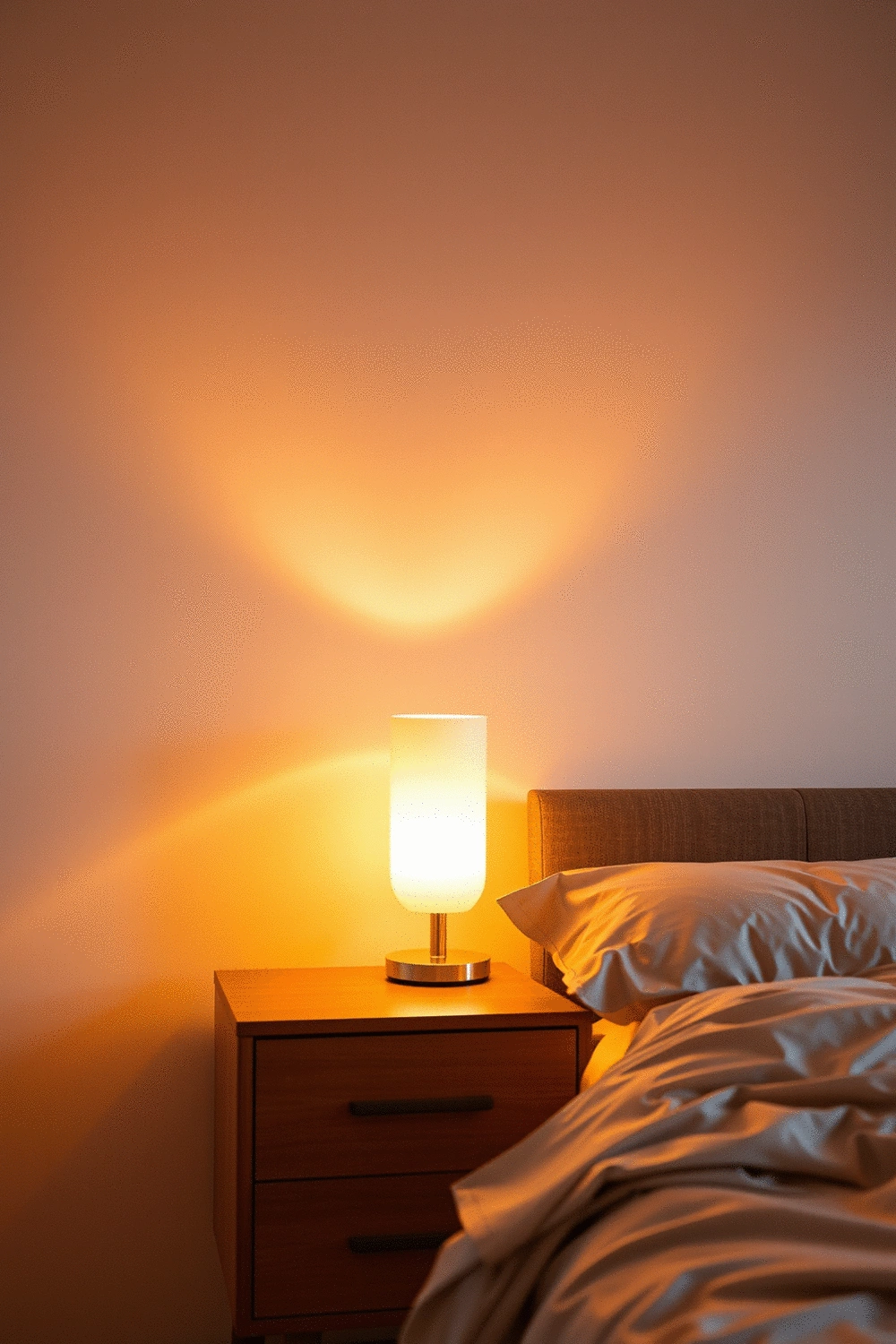
Warm lighting is key to achieving a peaceful ambiance in your bedroom. Soft, warm light creates a calming environment that is ideal for relaxation. I often recommend using lamps with dimmable features so you can adjust the brightness based on the time of day or your mood.
Benefits of Dimmable and Adjustable Lighting
Dimmable lighting allows you to tailor your bedroom's brightness to your needs. Whether you're reading a book or winding down for bed, having the ability to control your lighting can enhance your comfort. Plus, the gentle transition from bright to dim mimics the natural fading of daylight, helping your body prepare for sleep.
Choosing the Right Color Temperature for Nighttime
When selecting light bulbs, aim for a color temperature of around 2700K to 3000K for a soft glow. This warm light replicates the natural hues of sunset and signals to your brain that it’s time to relax. Consider investing in bulbs that offer a range of color temperatures, allowing you to create the perfect atmosphere at any time of day.
Blue-Depleted Lighting Solutions
As mentioned earlier, blue light can significantly impact our sleep. That's why exploring blue-depleted lighting solutions is essential for maintaining quality rest. Here’s what you need to know:
- Choose smart bulbs that reduce blue light emission.
- Look for filters or glasses that block blue light if you need to use screens at night.
- Install light fixtures designed specifically to minimize blue light exposure.
How Blue Light Affects Sleep Patterns
Exposure to blue light, especially in the evening, can trick your brain into thinking it’s still daytime, leading to difficulties in falling asleep. By opting for blue-depleted lighting options, you enhance your chances of winding down and achieving restorative sleep. Trust me, your body will thank you!
Recommended Products: Bulbs and Fixtures to Consider
Some fantastic products to consider for your bedroom include:
- LED bulbs with adjustable color temperatures
- Smart bulbs that can be programmed to change colors
- Light fixtures that specifically filter out blue light
These choices will not only improve your sleep quality but also add a stylish element to your bedroom decor! For more smart home tips, check out lighting automation for sleep on Smart Home Features.
Exploring Ambient and Soft Lighting Options
Ambient and soft lighting are crucial for creating a relaxing atmosphere. They provide a gentle glow that fills the room without overwhelming the senses. Here are some ways to incorporate these lighting options:
- Utilize floor lamps for a warm, inviting glow.
- Incorporate table lamps on nightstands for easy access to light.
- Consider adding decorative sconces for an elegant touch.
Incorporating Floor Lamps and Table Lamps for Comfort
Floor lamps and table lamps are excellent additions to your bedroom. They not only provide necessary lighting but also serve as stylish decor pieces. Choose lamps that match your aesthetic while providing a warm light that invites relaxation.
Enhancing Mood with Decorative and Sconce Lighting
Decorative and sconce lighting can add character to your room while providing functional light. Wall sconces can free up space on your bedside tables while creating a soft ambiance. Plus, they often come in beautiful designs that can complement your overall decor theme!
Frequently Asked Questions About Bedroom Lighting and Sleep
Here are some common questions about how bedroom lighting impacts sleep quality:
- Q: How does light affect melatonin production?
- A: Darkness stimulates melatonin production, the hormone that regulates sleep. Exposure to light, especially blue light, can suppress melatonin, making it harder to fall asleep.
- Q: What is the ideal color temperature for bedroom lighting at night?
- A: For nighttime, a warm color temperature of around 2700K to 3000K is recommended. This soft glow mimics sunset and helps prepare your body for sleep.
- Q: Why is blue-depleted lighting important for sleep?
- A: Blue light can trick your brain into thinking it's still daytime, disrupting your circadian rhythm. Blue-depleted lighting minimizes this effect, promoting better sleep patterns.
- Q: Can natural light during the day improve sleep quality?
- A: Yes, maximizing natural light exposure during the day helps regulate your biological clock, which is crucial for a good night's sleep.
- Q: What types of lighting are best for creating a relaxing bedroom atmosphere?
- A: Warm, dimmable, and blue-depleted lighting solutions are best. Incorporating ambient lighting like floor lamps, table lamps, and sconces can also enhance comfort and relaxation.
Summarizing the Impact of Thoughtful Lighting Choices
As we wrap up our discussion on bedroom lighting, it’s clear that the right choices can significantly enhance your sleep quality. Thoughtful lighting not only sets the mood but also plays a crucial role in promoting relaxation and restorative sleep. Here are some key takeaways to remember:
- Warm Lighting helps create a soothing atmosphere that prepares your body for rest.
- Utilizing dimmable and adjustable lights allows you to customize your space according to your needs.
- Incorporating blue-depleted lighting can protect your sleep patterns from disruption.
- Layering different types of lighting can enhance the ambiance, making your bedroom feel more inviting.
Lighting truly matters in creating a sanctuary that reflects your style while promoting relaxation. If you’re interested in learning more about how specific lighting techniques can improve your sleep environment, feel free to check out my post on Creating a Soothing Bedroom Atmosphere.
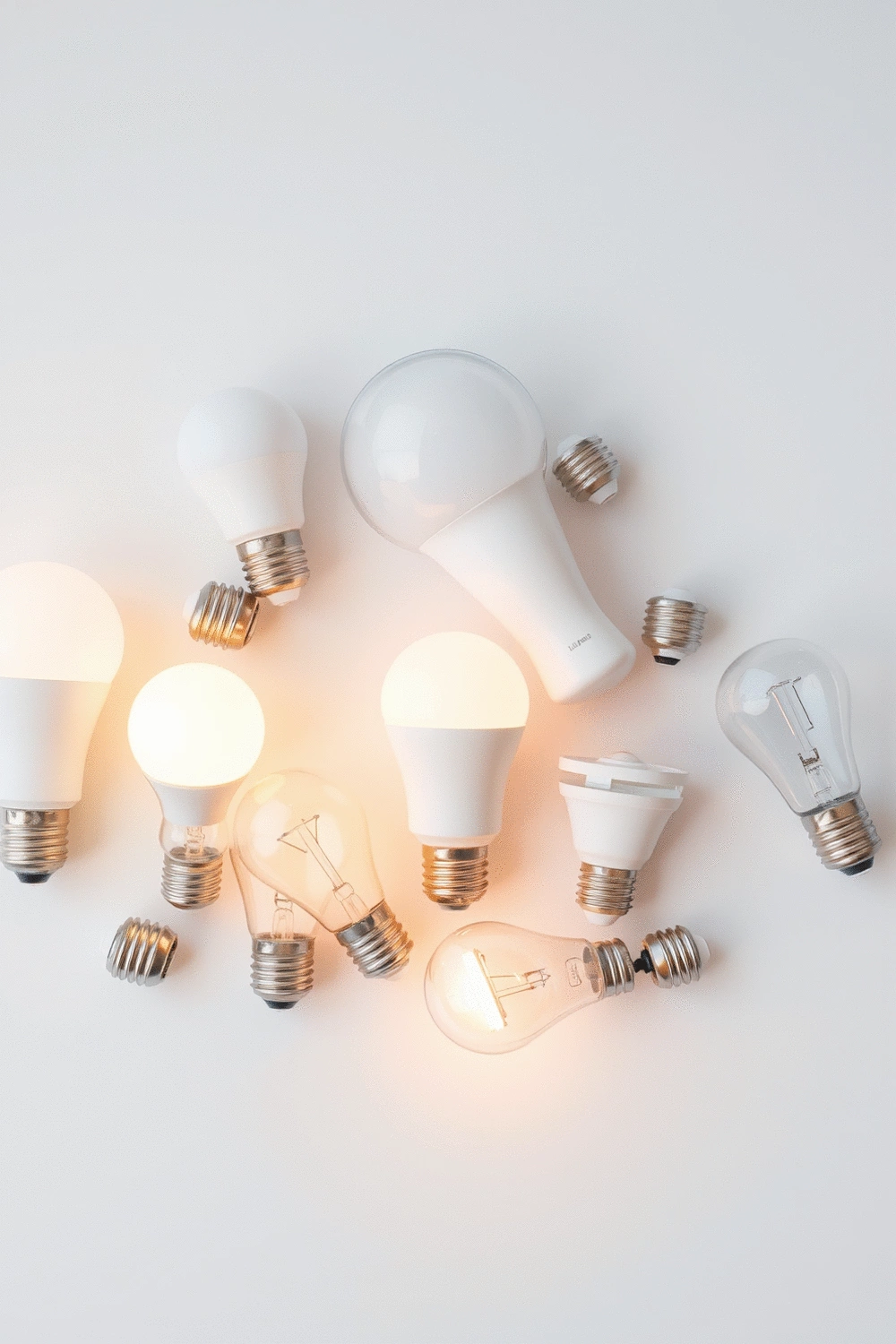
Key Takeaways on Lighting and Sleep Quality
Effective lighting strategies encompass both aesthetics and functionality. By focusing on the color temperature and intensity of your lighting, you create a space conducive to relaxation and restful nights. Remember, the ultimate goal is to design a bedroom where you feel comfortable and ready to unwind after a long day.
As a passionate interior designer, I’ve seen firsthand how simple adjustments can lead to significant improvements in sleep quality. It’s all about creating a cohesive environment that aligns with your personal style while promoting serenity. If you want to dive deeper into the impact of natural light on sleep quality, don’t miss my post on Incorporating Natural Light into Your Bedroom. You might also find valuable insights on bedroom lighting ideas at Design At Home.
Encouraging Action: Transform Your Sleep Space Today
Now that we’ve explored how thoughtful lighting choices can transform your bedroom, let’s discuss how you can take action. Here are some steps to implement effective lighting in your space:
- Assess Your Current Lighting: Identify areas in your bedroom where light is lacking or overwhelming. Consider how you use each area for sleep and relaxation.
- Plan Your Lighting Layout: Create zones within your bedroom for different activities—reading, winding down, and sleeping. This will help you choose the right fixtures for each area.
- Invest in Quality Lighting Solutions: Look for lights that not only match your decor but also offer functionality, like dimmable switches or smart bulbs. Quality investments pay off in the long run!
By making these thoughtful changes to your bedroom lighting, you can create an inviting atmosphere that supports relaxation and enhances your overall sleep quality. Remember, your bedroom should be a personal retreat, and lighting plays a pivotal role in achieving that cozy vibe at Cozy Space Vibes!
Recap of Key Points
Here is a quick recap of the important points discussed in the article:
- Limit screen time before bed to reduce blue light exposure and enhance melatonin production.
- Utilize warm lighting to create a soothing atmosphere that invites relaxation.
- Incorporate dimmable lights to customize your bedroom ambiance based on your needs and activities.
- Choose blue-depleted lighting solutions to protect your sleep patterns from disruption.
- Maximize natural light exposure during the day to help regulate your biological clock.