Color Psychology in Bedroom Design for Better Sleep
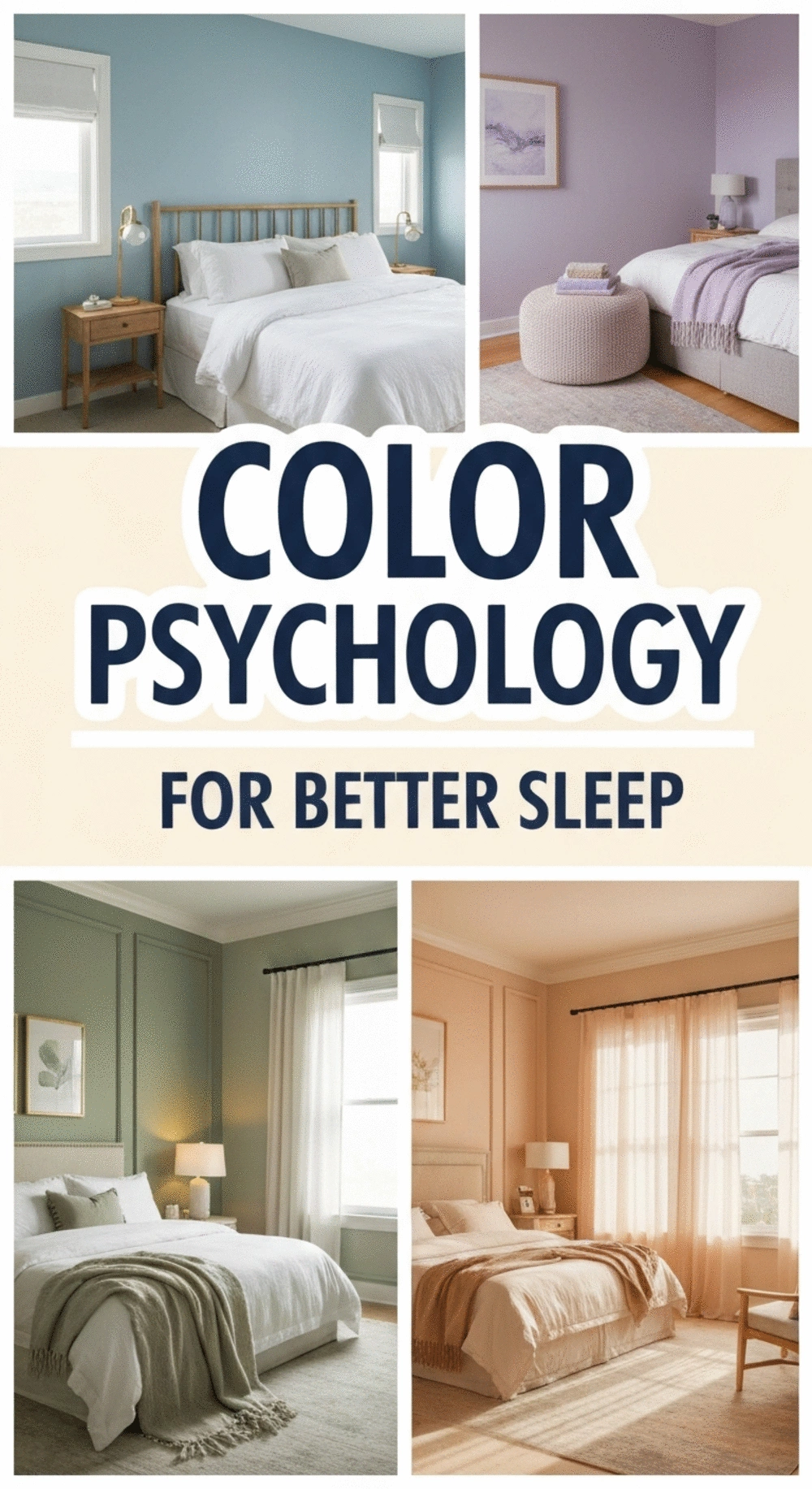
Consider how the colors in your bedroom might be affecting your sleep. With the right hues, you can create a tranquil atmosphere that promotes relaxation and restful nights.
As an Amazon Associate I earn from qualifying purchases. Affiliate links may earn me a commission at no extra cost to you.
What You Will Learn
- Color psychology reveals how colors influence emotion and behavior, which can be pivotal in designing a relaxing bedroom.
- Cool colors like blue and green are more conducive to sleep, while warmer colors may disrupt your rest.
- Personal preferences are essential in color selection; choose hues that resonate with you emotionally for the best results.
- Implementing soothing color palettes can significantly enhance your bedroom environment and overall sleep quality.
Understanding Color Psychology and Its Impact on Sleep Quality
Have you ever noticed how certain colors can evoke different feelings? That's the essence of color psychology. Understanding how colors affect our emotions and behaviors can be a game changer, especially when it comes to creating a bedroom that promotes rest and relaxation. At Cozy Space Vibes, we believe that selecting the right colors can transform your sleep environment into a true sanctuary!
What is Color Psychology?
Color psychology is the study of how colors can influence our mood, behavior, and even our health. It delves into the emotional responses triggered by different hues. For instance, blues often evoke feelings of calmness, while reds can stimulate excitement. This knowledge is particularly valuable when designing your bedroom—a place where you should feel both at ease and at peace.
- Colors can affect your emotional well-being.
- Different colors might impact your sleep quality.
- Personal preference plays a crucial role in color selection.
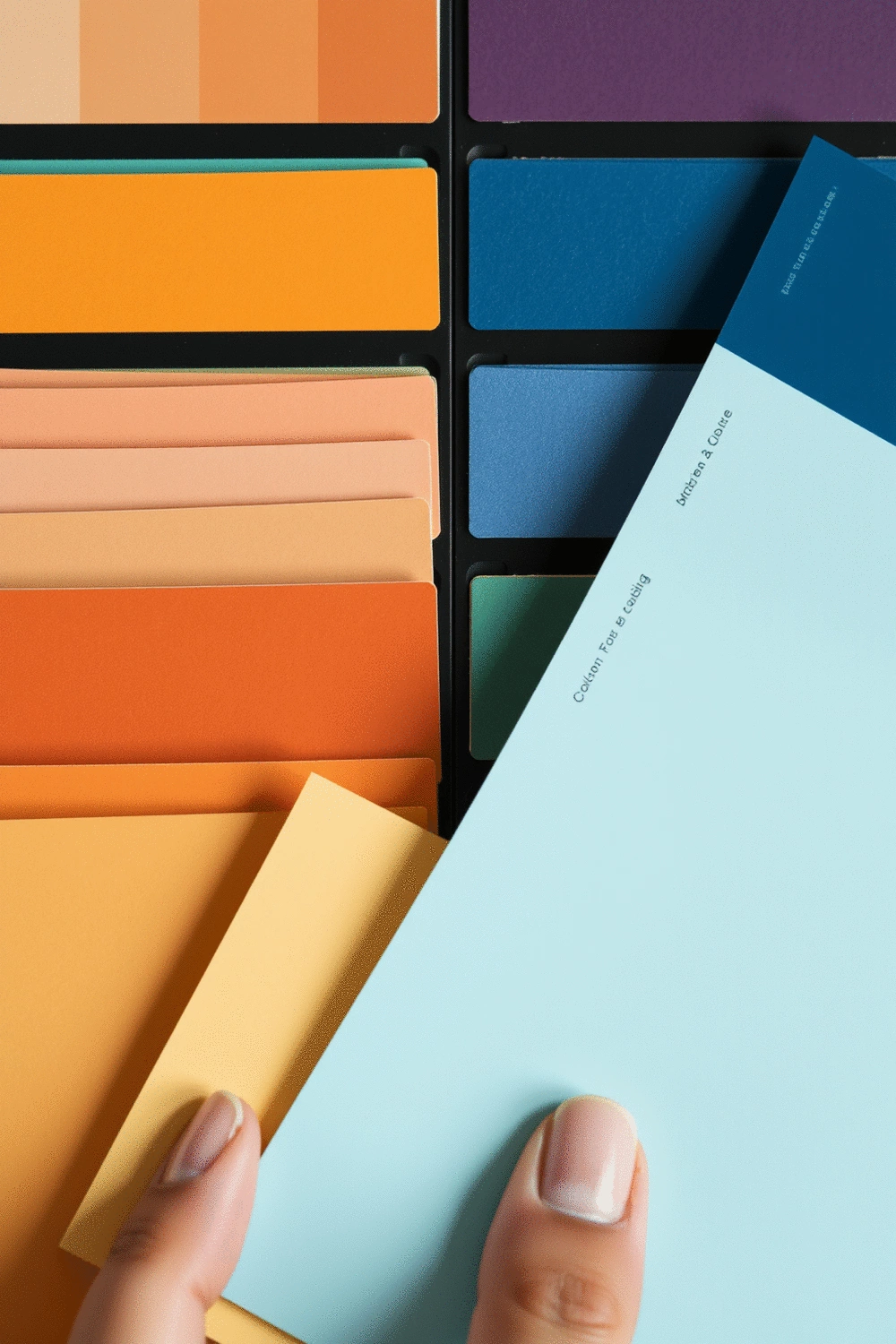
As I’ve explored various design elements over the years, I’ve realized that personalizing color choices can significantly enhance a space. By understanding your emotional connections to colors, you can make informed decisions that resonate with your unique style! To learn more about how colors can impact different areas of your home, check out our guide on Color Psychology Tips for Boosting Small Space Mood.
The Science Behind Colors and Sleep
Research shows that colors can influence our sleep patterns. For example, studies have indicated that cooler colors like blue and green are more conducive to sleep than warmer hues. This happens because cool colors help lower heart rates and reduce stress levels, setting the stage for a restful night. If you're interested in learning more about creating a peaceful sleep space, check out our post on 10 Essential Tips to Create a Peaceful Sleep Space.
- Blue hues promote tranquility.
- Greens can enhance relaxation.
- Warm colors may lead to restlessness.
By integrating these findings, you can design a bedroom that not only looks great but also helps you achieve the quality sleep you deserve. It’s all about crafting an environment that speaks to you personally while promoting serenity!
The Role of Color Temperature in Sleep Quality
Color temperature refers to the warmth or coolness of a color. Generally, cooler colors, such as those mentioned earlier, tend to be more relaxing. On the other hand, warmer colors can feel invigorating but might not be the best for a calming bedroom environment. It’s about finding the right balance that suits your needs.
- Cool colors (blue, green) promote calmness.
- Warm colors (red, orange) may disrupt sleep.
- Choose shades that align with your sleep goals.
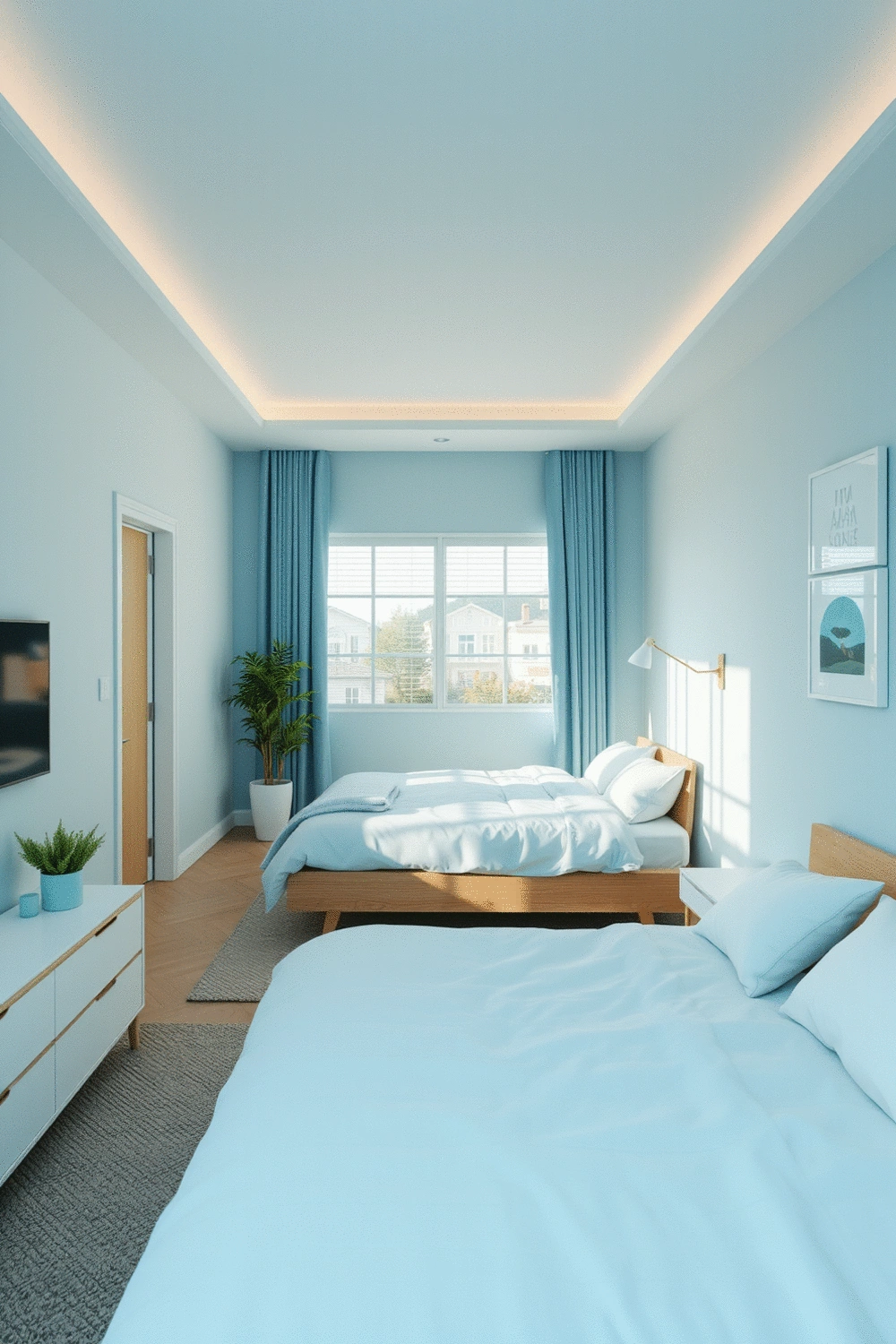
Incorporating color temperature into your bedroom design can be an exciting journey! Consider elements like bedding and wall colors to create a cohesive look that enhances both aesthetics and functionality.
Summarizing the Best Practices for Bedroom Color Choices
As we've explored the intricate relationship between color and sleep quality, it’s essential to remember some key takeaways. First, understanding color psychology can significantly enhance your bedroom's ambiance, encouraging restful sleep. Colors such as soft blues and calming greens can create a serene environment, while warmer colors might have the opposite effect.
In designing your bedroom, consider these best practices:
- Opt for soothing hues like light blues, greens, and lavenders for a tranquil atmosphere.
- Avoid stimulating colors like bright reds or oranges that may disrupt your peace.
- Incorporate neutrals to provide balance and create a restful backdrop.
By applying these principles, you can create a bedroom that not only reflects your style but also promotes better sleep health. If you're interested in diving deeper into how to choose the right colors, check out our article on Top Bedroom Color Schemes for Restful Sleep.
Frequently Asked Questions (FAQs)
- Q: How does color psychology influence sleep?
- A: Color psychology studies how colors affect mood and behavior. In the bedroom, certain colors (like cool blues and greens) can promote calmness and lower stress, leading to better sleep, while others (like warm reds) can be stimulating and disrupt rest.
- Q: What are the best colors for a restful bedroom?
- A: Cool colors such as light blues, greens, and lavenders are generally considered best for promoting a restful environment. These colors can help lower heart rates and create a sense of tranquility.
- Q: Should I avoid any colors in my bedroom?
- A: Yes, it's generally advisable to avoid highly stimulating warm colors like bright reds and oranges, as these can increase alertness and make it harder to relax and fall asleep.
- Q: How can I personalize my bedroom color choices for better sleep?
- A: While cool colors are generally recommended, personal preference is key. Experiment with color swatches and consider how different hues make you feel. Choose colors that personally evoke a sense of calm and comfort for you.
- Q: Beyond wall color, what other elements should I consider?
- A: Besides wall color, consider your bedding, curtains, and other decor items. Ensure these elements also align with your chosen calming color palette to create a cohesive and serene sleep environment. Also, integrating natural elements can enhance the soothing effect, as discussed in Using Plants for a Calming Home Atmosphere.
Next Steps: Designing Your Ideal Sleep Environment
Now that you have a better understanding of how color influences sleep, it’s time to personalize your space! Engaging with color psychology means considering how each hue resonates with you personally. Think about your favorite colors and how they make you feel. Are there specific shades that bring you a sense of calm?
Here are some steps to guide you in designing your ideal sleep environment:
- Experiment with color swatches on your walls to see how they change with different lighting.
- Consider your bedding choices, as they can greatly affect the overall feel of your space.
- Reflect on how you use your bedroom and choose colors that support your daily routines.

For more tips on creating a cozy sleep space, explore our post on 10 Essential Tips to Create a Peaceful Sleep Space.
Resources for Further Exploration: Books, Articles, and Studies
To enhance your knowledge further, consider diving into resources that discuss the psychological effects of color in more detail. Books on color theory and design can provide valuable insights, while articles and studies in sleep science can deepen your understanding of how your environment affects rest quality.
One great resource includes research on sleep hygiene and its relationship with color choices. For more practical advice on optimizing your bedroom for better sleep, check out our guide on How to Declutter Your Bedroom for Better Sleep. This will give you actionable steps toward creating a serene sleeping environment.
Recap of Key Points
Here is a quick recap of the important points discussed in the article:
- Color psychology plays a vital role in influencing mood and sleep quality.
- Cool colors like blue and green promote relaxation, while warm colors can disrupt sleep.
- Choosing soothing hues such as light blues and greens can create a tranquil bedroom atmosphere.
- Incorporating neutrals helps balance your color scheme, enhancing the restful qualities of your space.
- Experimenting with color swatches and bedding can help you find the perfect palette for your sleep environment.