Bedding Materials for Better Sleep Quality
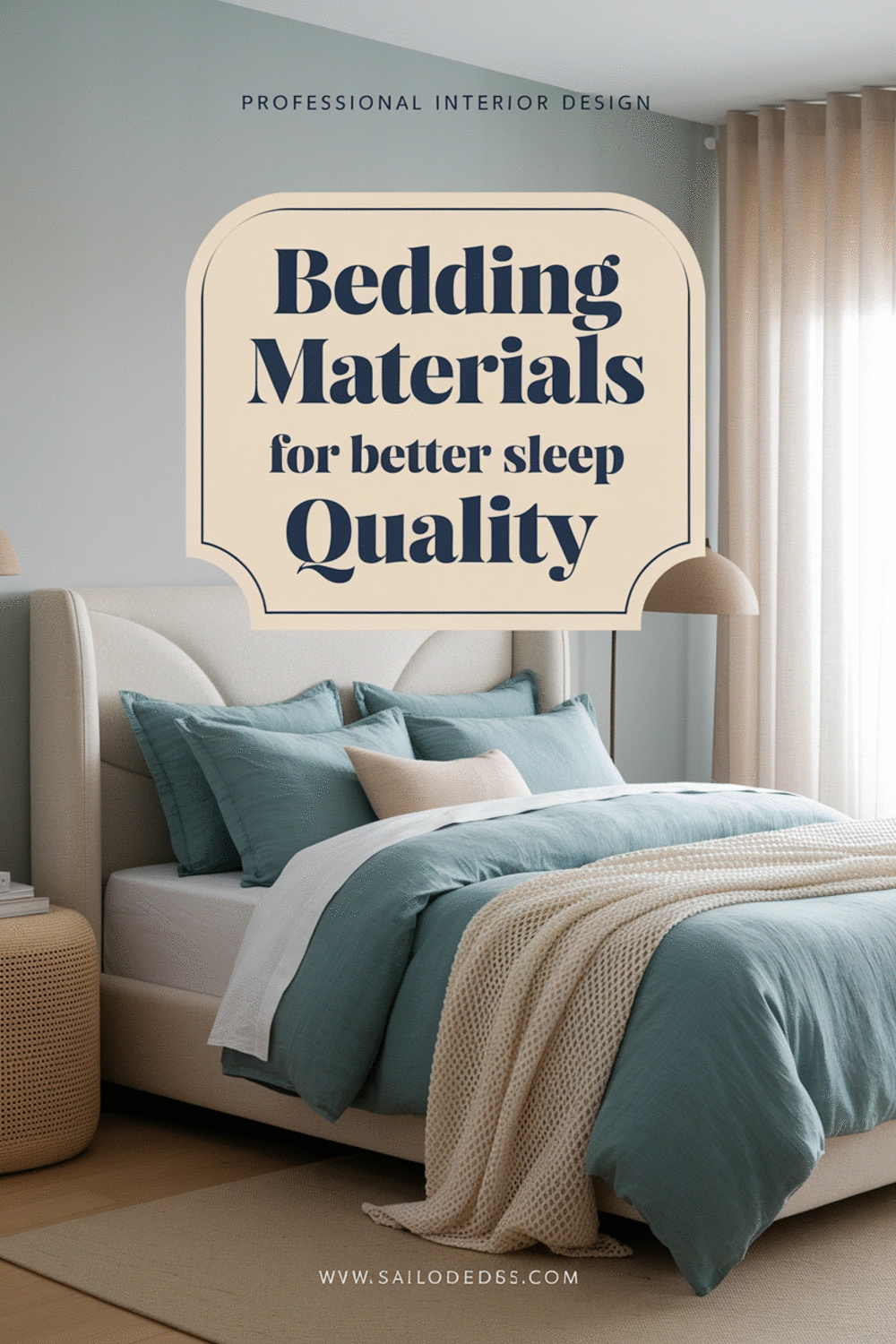
Are you aware that your choice of bedding can significantly influence your sleep quality? It's more than just comfort; it's a vital aspect of your sleep environment that can either enhance or disrupt your nightly rest.
As an Amazon Associate I earn from qualifying purchases. Affiliate links may earn me a commission at no extra cost to you.
What You Will Learn
- The right bedding materials can enhance sleep quality by regulating temperature and moisture.
- Non-toxic and hypoallergenic bedding options minimize health risks and allergens for better overall well-being.
- Investing in durable fabrics ensures long-lasting comfort and reduces the need for frequent replacements.
- Eco-conscious choices, like organic fibers, contribute to a healthier planet while providing a cozy sleep environment.
Understanding the Importance of Bedding Materials for Sleep Health
When it comes to sleep, the materials we choose for our bedding play a pivotal role in our overall sleep health. Many of us might not realize how much our bedding can influence not just comfort, but also the quality of our rest. The right bedding can help you drift off peacefully, while the wrong choice might keep you tossing and turning all night long.
As someone who believes strongly in creating cozy sanctuaries, I often tell my clients that bedding is more than just a decorative choice—it's an essential component of your sleep environment. From thread count to fiber types, understanding the nuances of bedding materials can transform your bedroom into a restful retreat.
How Bedding Choices Affect Sleep Quality
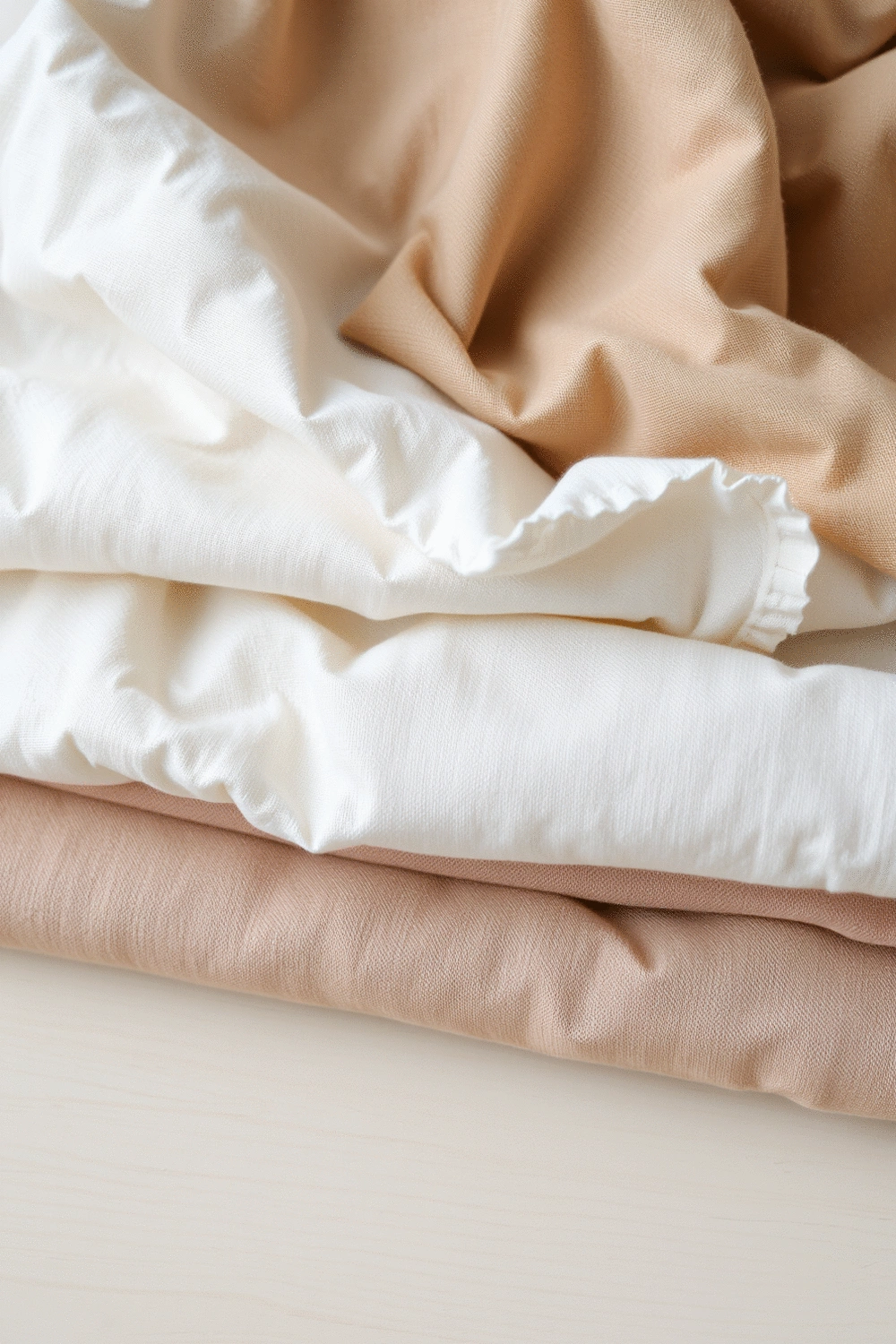
The connection between bedding choices and sleep quality is profound. Using materials that breathe can help regulate your body temperature, keeping you comfortable throughout the night. Here are some key factors to consider:
- Comfort: Soft and inviting materials allow you to settle in easily.
- Temperature Regulation: Bedding that wicks away moisture can keep you cool.
- Durability: High-quality materials last longer, providing consistent comfort.
By opting for bedding that enhances these aspects, you create an environment that truly promotes restful sleep. If you're looking for more tips on setting up your sleep space, check out my post on 10 Essential Tips to Create a Peaceful Sleep Space!
The Impact of Non-Toxic Bedding on Health and Well-Being
Choosing non-toxic bedding is crucial for not only sleep quality but also your overall health. Many traditional bedding materials can harbor chemicals and toxins that may disrupt your sleep patterns or even pose health risks. I always encourage my clients to look for bedding that is certified free from harmful substances. The peace of mind that comes from knowing your bedding is safe is priceless!
- Organic Materials: Look for organic cotton and bamboo, which are often free from harsh chemicals.
- Certifications: Certifications like OEKO-TEX or GOTS can guide you to safer choices.
- Breathability: Non-toxic materials tend to be more breathable, enhancing comfort.
Investing in non-toxic bedding isn't just good for you; it’s a step towards a healthier home environment. Interested in more ways to enhance your sleep environment? My article on 7 Best Bedroom Lighting Ideas for Relaxing Sleep dives into how lighting can also affect your sleep quality!
Recognizing Hypoallergenic Fabrics: A Key for Allergy Sufferers
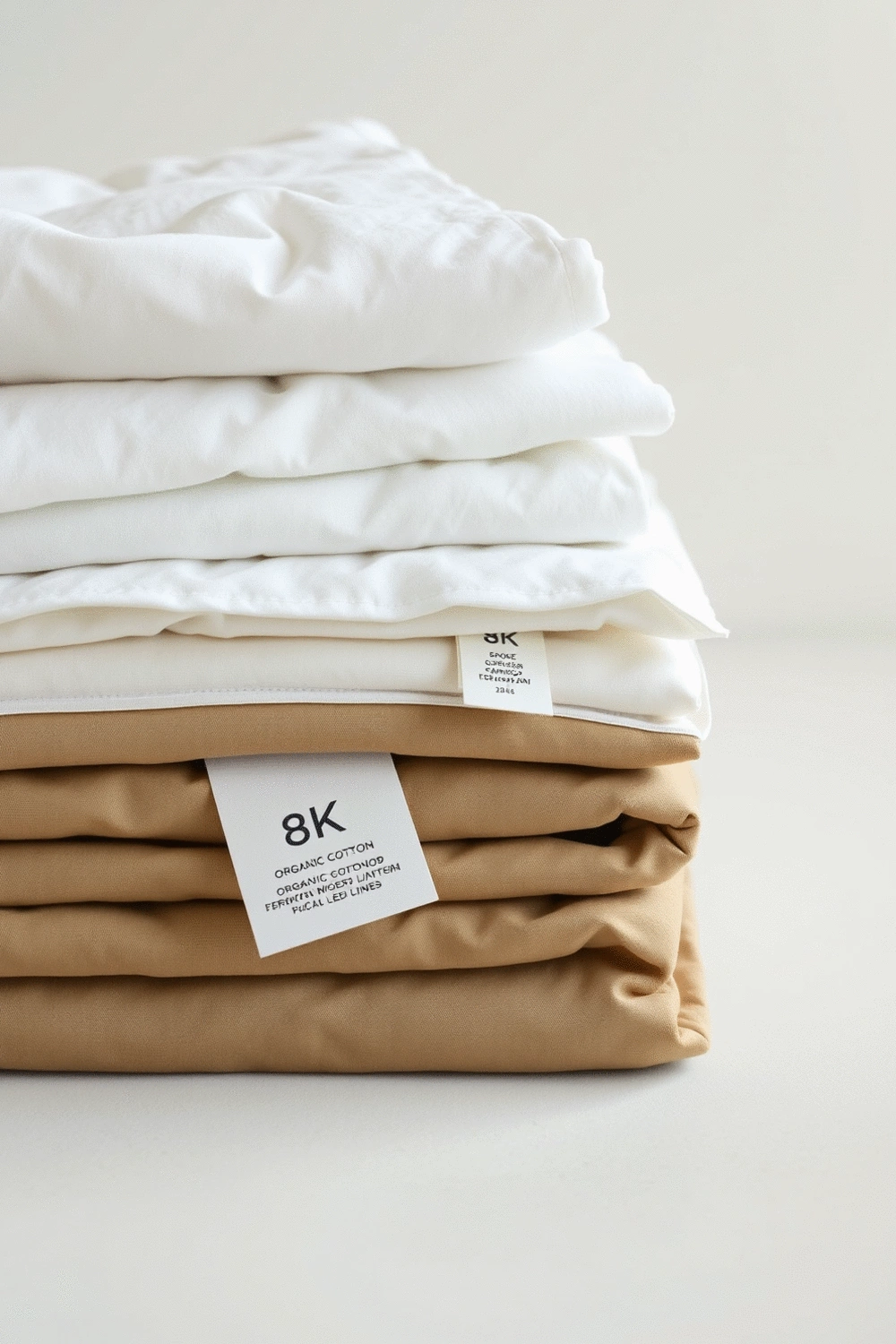
If you or someone in your household suffers from allergies, choosing hypoallergenic fabrics is essential. These materials are less likely to trap dust mites, mold, and other allergens that can disrupt sleep. Some safe options include:
- Bamboo: Naturally hypoallergenic and breathable, making it a great choice for sensitive sleepers.
- Microfiber: Crafted to resist allergens and often easy to wash.
- Natural Cotton: Opt for organic cotton to avoid chemical residues.
By carefully selecting hypoallergenic bedding, you can create a haven that promotes restful nights and rejuvenated mornings. To learn more about optimizing your sleep space, don’t miss my post on How to Declutter Your Bedroom for Better Sleep. A clean space can work wonders for your well-being!
Summarizing Key Takeaways for Healthier Bedding Choices
As we've explored, the right bedding materials can significantly impact your sleep health. From natural fibers like cotton and linen to innovative options like bamboo and hemp, each material offers unique benefits that cater to different needs. Choosing the right bedding is not just about comfort; it's about fostering a peaceful sleep environment that promotes relaxation and restorative rest.
To recap, here are the key benefits of selecting quality bedding materials:
- Enhanced Sleep Quality: Quality fabrics regulate temperature and moisture, which is essential for a restful night's sleep.
- Health Considerations: Non-toxic and hypoallergenic options help reduce allergies and sensitivities.
- Durability: Investing in quality materials means your bedding will last longer and continue to provide comfort.
- Eco-Conscious Choices: Many natural options are sustainable and environmentally friendly, allowing you to sleep soundly with a clear conscience.
Choosing healthy bedding materials is a step towards creating a sanctuary in your bedroom. For more tips on designing a peaceful sleep space, check out my post on 10 Essential Tips to Create a Peaceful Sleep Space!

Final Thoughts on Choosing Bedding for Better Sleep Quality
Ultimately, the bedding you choose should reflect your personal style while also supporting your sleep needs. Don't forget to consider factors like fabric breathability, safety certifications, and overall comfort. It's all about creating a cozy retreat that welcomes you at the end of the day.
As you embark on this journey, remember that small changes can make a huge difference in your sleep quality. Explore different materials and see what feels best for you! If you’re looking for a little more guidance, I have some insightful ideas on 10 Master Bedroom Design Ideas for Cozy Serenity that you might find helpful!
Taking the Next Steps Toward a Healthier Sleep
How to Start Your Bedding Transformation Today
Ready to revitalize your bedroom? Start by assessing your current bedding. Ask yourself if it's serving your comfort and health needs. Here’s a quick checklist to kick off your bedding transformation:
- Evaluate your current bedding materials and their impact on your sleep quality.
- Research and choose organic or non-toxic options that suit your style.
- Consider investing in hypoallergenic fabrics if you have allergies.
- Explore seasonal bedding options to match your comfort needs throughout the year.
This process can be exciting! As you make changes, you'll notice how much more inviting your bedroom becomes, leading to better sleep and overall well-being.
Resources and Further Reading for Informed Choices
To empower your bedding selection, I encourage you to explore additional resources on the Cozy Space Vibes blog. Understanding your options will help you make informed decisions for your sleep environment. Check out my article on How to Declutter Your Bedroom for Better Sleep for more ways to enhance your sleep space.
Remember, each choice you make brings you closer to a restful sanctuary designed just for you! Sweet dreams are just around the corner!
Frequently Asked Questions (FAQs)
- Q: How do bedding materials influence sleep quality?
- A: Bedding materials significantly impact sleep quality by regulating body temperature, wicking away moisture, and providing comfort. The right materials can prevent tossing and turning, promoting deeper, more restful sleep.
- Q: What are the benefits of choosing non-toxic bedding?
- A: Non-toxic bedding is free from harmful chemicals and toxins often found in traditional materials, which can disrupt sleep and pose health risks. Organic and certified options provide peace of mind and contribute to a healthier sleep environment.
- Q: Why are hypoallergenic fabrics important for allergy sufferers?
- A: Hypoallergenic fabrics are designed to resist dust mites, mold, and other allergens, which can trigger allergic reactions and disrupt sleep. Materials like bamboo, microfiber, and organic cotton are excellent choices for creating an allergen-free sleep space.
- Q: What certifications should I look for when buying non-toxic bedding?
- A: Look for certifications like OEKO-TEX or GOTS (Global Organic Textile Standard). These certifications ensure that the bedding materials are free from harmful substances and produced using environmentally and socially responsible methods.
- Q: How can I start transforming my bedding for better sleep?
- A: Begin by assessing your current bedding's impact on your sleep. Research and choose organic or non-toxic options that suit your style and needs. Consider hypoallergenic fabrics if you have allergies, and explore seasonal bedding to maintain comfort year-round. You might also find it helpful to explore how to create inviting spaces for your entire home.
Recap of Key Points
Here is a quick recap of the important points discussed in the article:
- Enhanced Sleep Quality: Quality fabrics regulate temperature and moisture, which is essential for a restful night's sleep.
- Health Considerations: Non-toxic and hypoallergenic options help reduce allergies and sensitivities.
- Durability: Investing in quality materials ensures your bedding lasts longer and continues to provide comfort.
- Eco-Conscious Choices: Many natural options are sustainable and environmentally friendly, allowing for a clear conscience while you sleep.