Top Bedroom Color Schemes for Restful Sleep

Research indicates that the colors surrounding us can significantly influence our sleep quality. What if the secret to better sleep lies in the hues of our bedrooms? Delve into the impact of color on restfulness and learn how to transform your sleep environment for maximum relaxation.
As an Amazon Associate I earn from qualifying purchases. Affiliate links may earn me a commission at no extra cost to you.
What You Will Learn
- Soft blues and greens promote calmness and can help lower blood pressure, enhancing relaxation.
- Pastel tones create soothing backdrops that reduce anxiety as you wind down for the night.
- Warm colors like red and yellow may increase heart rates, potentially leading to restlessness.
- Testing paint samples in various lighting conditions is crucial for visualizing their true effect in your space.
- Incorporating personal decor items in your chosen color scheme can enhance your bedroom's inviting atmosphere.
Understanding the Connection Between Color and Sleep Quality
When it comes to creating a cozy bedroom, understanding the connection between color and sleep quality is essential. Colors can significantly influence our mood and overall sense of calm. A well-chosen color palette not only enhances the aesthetic appeal of your space but also promotes a restful environment that encourages quality sleep. So, let's dive into how the right bedroom colors can make a world of difference in your sleep sanctuary!
In my journey as an interior designer at Cozy Space Vibes, I've seen how different colors evoke various feelings and responses. For many, transforming a dull room into a vibrant yet calming retreat is all about choosing the right hues. But what exactly makes a color conducive to relaxation? Let’s explore this further!
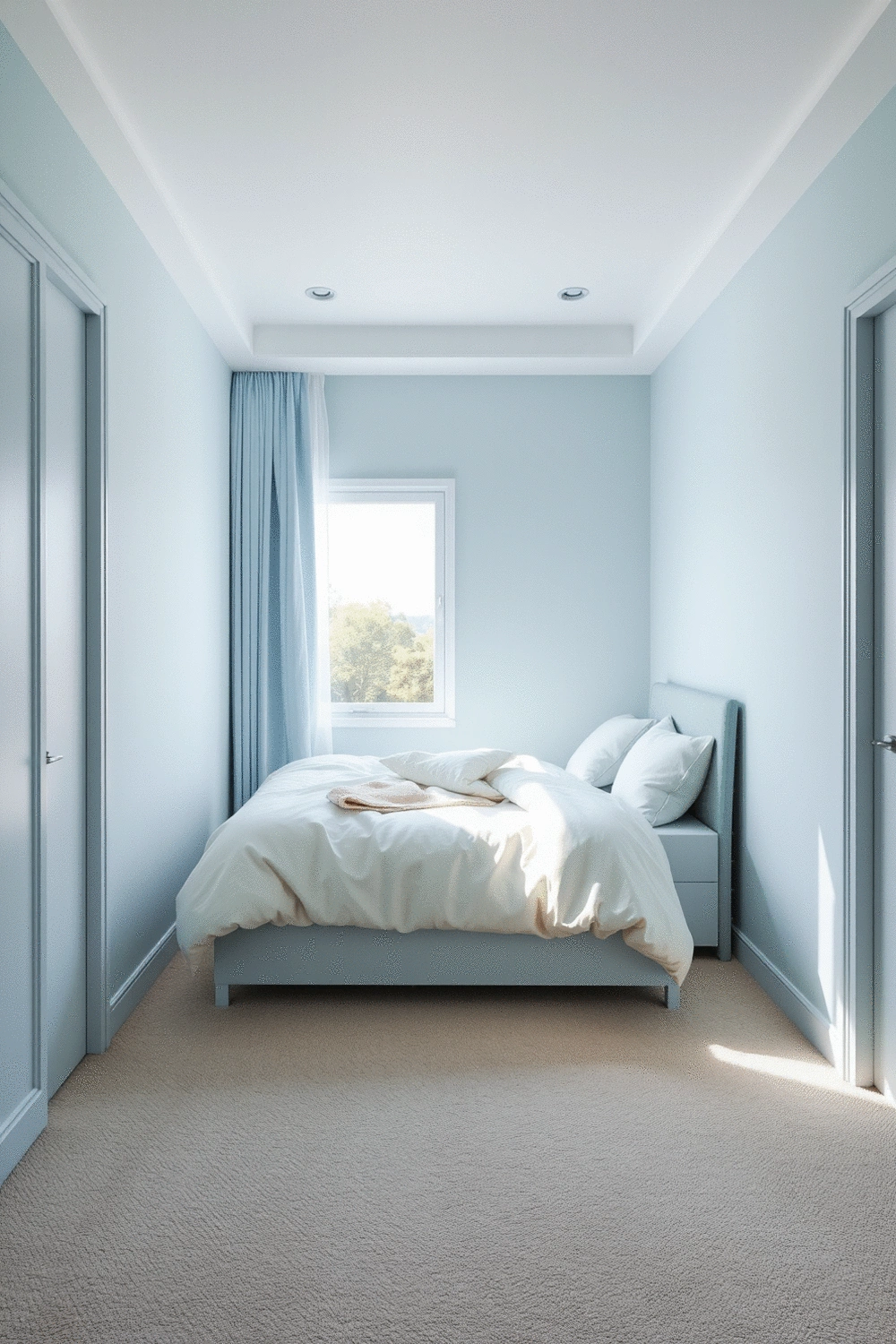
How Bedroom Colors Influence Calmness and Restfulness
The colors you choose for your bedroom can create an atmosphere of serenity that encourages restful sleep. Soft shades can evoke feelings of tranquility, while brighter, more intense colors might energize or overstimulate the space. Here are some key insights into how different colors can influence relaxation:
- Soft blues and greens promote calmness and can help lower blood pressure.
- Pastel tones provide a soothing backdrop, reducing anxiety as you unwind.
- Neutral shades create a balanced atmosphere, enhancing feelings of comfort and safety.
By incorporating these color strategies into your bedroom design, you can create a space that feels not only inviting but also supportive of your sleep needs. If you’re curious about how to harmonize various elements in your bedroom, check out my post on 10 Essential Tips to Create a Peaceful Sleep Space.
The Science Behind Color Psychology and Sleep
Color psychology is an intriguing field that examines how different colors affect our emotions and behaviors. Research shows that certain colors can significantly impact our mental state, which in turn affects our sleep quality. Here are some fascinating findings:
- Blue light has been known to reduce melatonin production, making it harder to fall asleep.
- Warm colors like red and yellow can increase heart rates, which may lead to restlessness.
- Cool colors, especially shades like soft blue and green, are often linked to increased feelings of peace and relaxation.
Understanding these principles can help you choose colors that enhance relaxation. For more detailed insights on bedroom lighting that complements your color choices, you might want to read my article on 7 Best Bedroom Lighting Ideas for Relaxing Sleep. You might also find valuable tips on creating an inviting ambiance in other areas of your home by exploring 7 Essential Tips for an Inviting Living Room.
Steps to Choose and Test the Right Colors for Your Bedroom
Choosing the perfect color for your bedroom can feel overwhelming, but it’s the heart of creating a space that promotes relaxation. Start by selecting paint samples that resonate with you personally. This simple step allows you to visualize how different colors will transform your room. I recommend collecting a variety of shades that appeal to your senses—soft blues, gentle greens, or warm neutrals can all bring a sense of calm.
- Visit your local paint store and gather several samples.
- Opt for shades that evoke feelings of serenity and comfort.
- Don't shy away from testing colors that may seem bold; they could surprise you!
Once you have your samples, apply them to your walls in patches to see how they look in different lights. This will help ensure you pick a color that not only looks good but also feels right in your space.
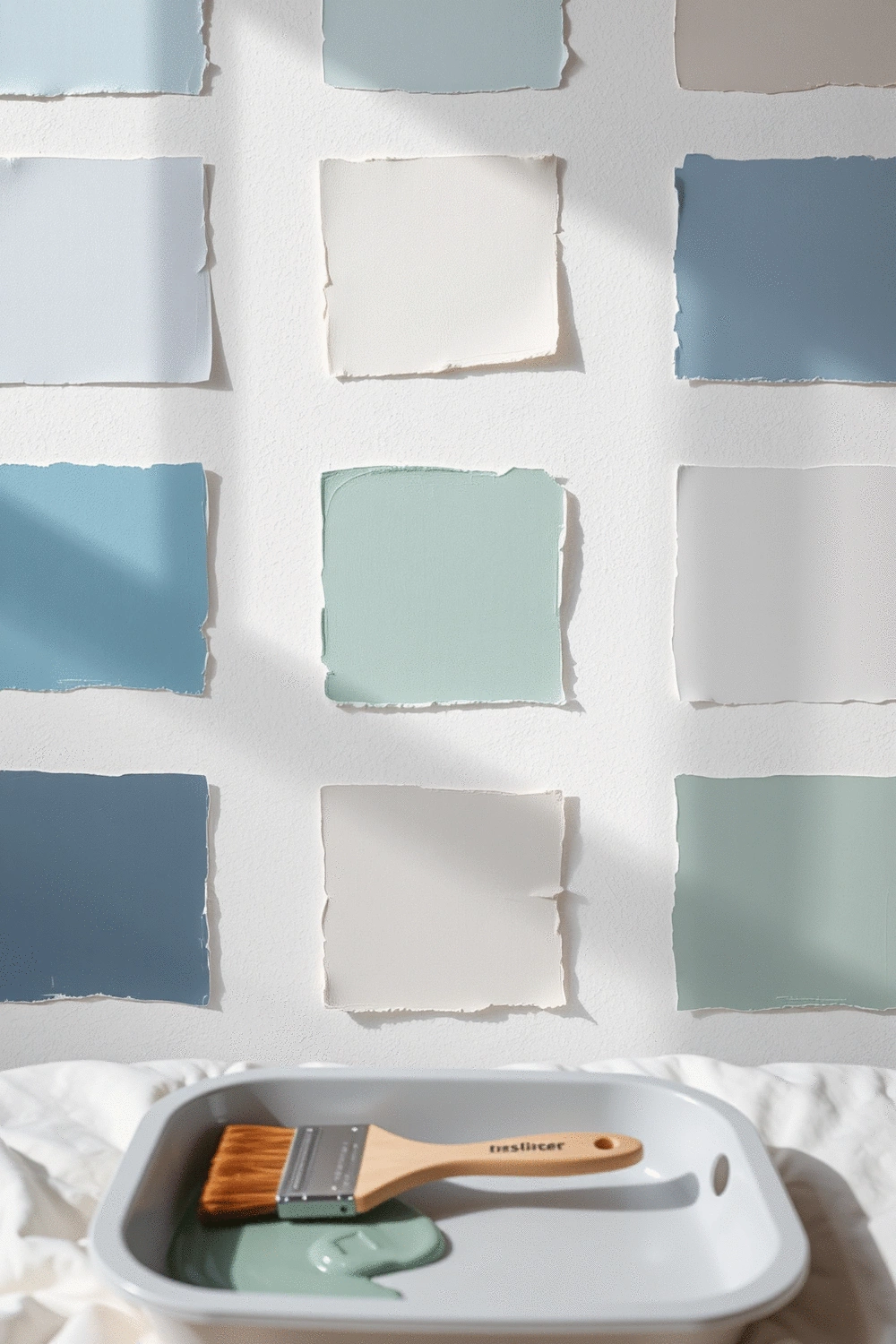
Guidelines for Selecting Paint Samples Effectively
Choosing paint samples is just the first step! Here are some helpful guidelines to refine your selections:
- Test in multiple areas: Paint swatches in various parts of the room to see how light interacts with the color.
- Observe at different times: Look at your samples during day and night to understand their full effect.
- Consider furniture and decor: Make sure your chosen color complements your existing items for a cohesive look.
Remember, it's all about creating an environment that speaks to you! For more insights on creating a peaceful sleep space, check out these essential tips.
Creating a Sleep-Friendly Environment that Reflects Your Style
Once you've selected your colors, it's time to infuse your bedroom with your personal touch. A sleep-friendly environment should reflect who you are while promoting restful sleep. Think about your favorite colors and how they make you feel. Incorporate them into your bedding, curtains, and accessories!
- Use soft textiles like fluffy throws and plush pillows to enhance comfort.
- Add personal decor items like framed photos or art that speaks to you.
- Consider layering different patterns and textures within the color scheme for a cozy vibe.
Your bedroom should not only look good but also feel inviting. If you're looking for inspiration on how to create a cozy atmosphere, visit my post on master bedroom design ideas.
Incorporating Textiles and Accessories to Complement Color Schemes
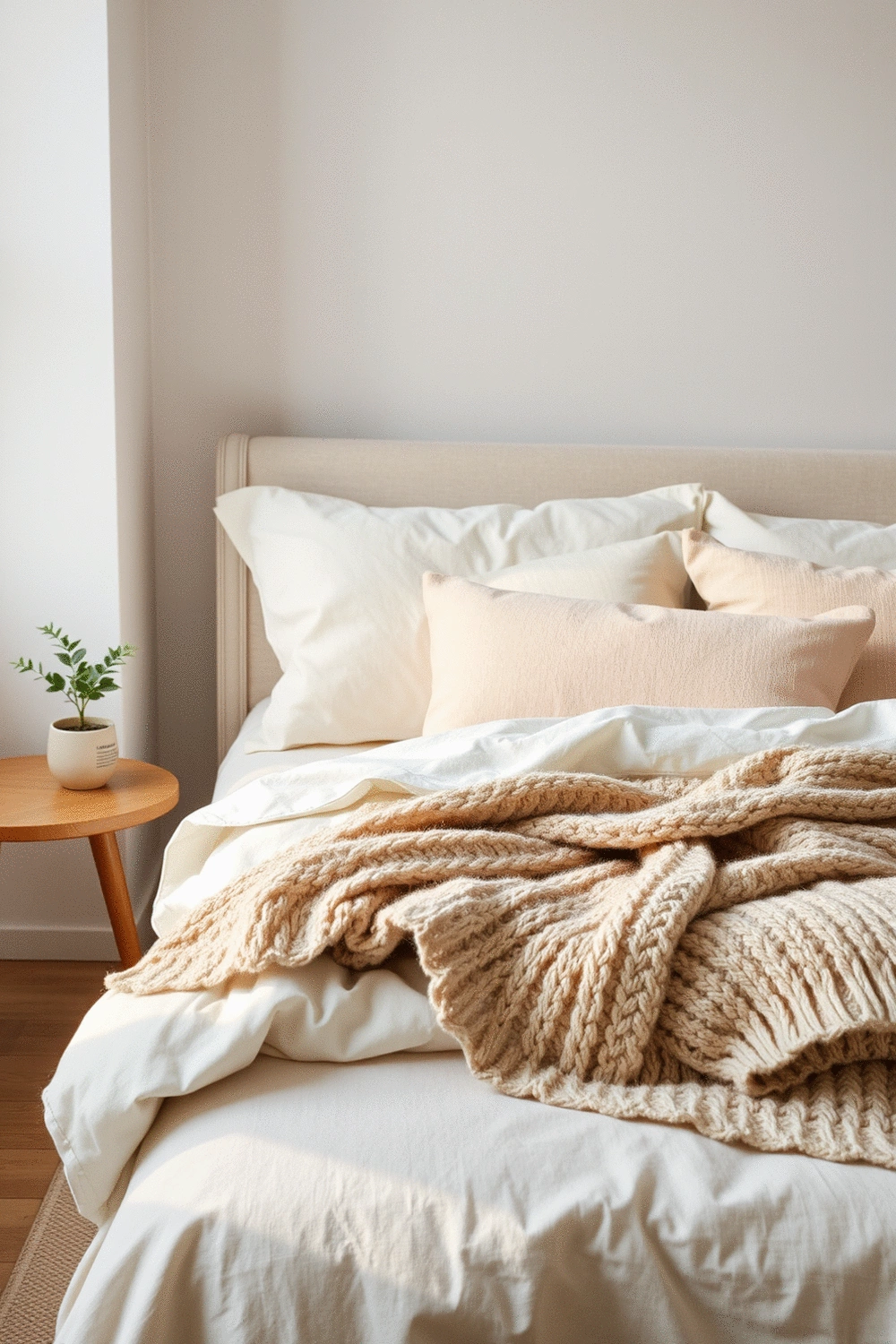
Textiles and accessories play a crucial role in tying your color scheme together. Choose items that not only match your chosen colors but also create a unified theme throughout the space. Here’s how you can enhance your bedroom:
- Bedding: Select bedding that complements your wall color for a seamless look.
- Curtains: Light, airy curtains can soften the overall vibe while letting in natural light.
- Rugs: A cozy rug in a complementary color can anchor the space and add warmth.
Don't forget to layer textures as well! Mixing soft fabrics with smoother surfaces can create an inviting atmosphere. For more tips on organizing your space for better sleep, check out my article on decluttering your bedroom. You may also find inspiration for other relaxing areas of your home by checking out How to Transform Your Bathroom into a Spa Ambiance in 5 Steps.
FAQs About Bedroom Colors and Sleep
Here are some frequently asked questions regarding the impact of bedroom colors on sleep quality:
- Which colors are best for promoting sleep? Soft blues, greens, and pastel tones are highly recommended as they promote calmness and can help lower blood pressure and reduce anxiety.
- Are there any colors I should avoid in my bedroom? Yes, warm colors like red and yellow can increase heart rates and lead to restlessness, making them less ideal for a sleep-friendly environment. Blue light from electronic devices can also disrupt melatonin production.
- How can I test paint colors effectively before committing? It's crucial to apply paint samples to multiple areas of your walls and observe them at different times of day and night. This helps you see how light interacts with the color and ensures it complements your existing furniture and decor.
- How do textiles and accessories contribute to a sleep-friendly color scheme? Textiles and accessories like bedding, curtains, and rugs can complement your wall color, add warmth, and create a unified, inviting theme. Layering different textures also enhances comfort and coziness.
- Can color psychology really affect my sleep? Yes, color psychology suggests that certain colors can significantly impact your mental state, emotions, and behaviors, which in turn can affect your sleep quality. Cool colors are generally linked to peace and relaxation.
Recap of Key Points
Here is a quick recap of the important points discussed in the article:
- Soft blues and greens create a calming atmosphere, promoting relaxation and lower blood pressure.
- Pastel tones and neutral shades can reduce anxiety and enhance feelings of safety and comfort.
- Color psychology reveals that certain colors, like warm reds and yellows, may increase heart rates and lead to restlessness.
- Testing paint samples in various lighting conditions helps ensure the chosen color suits the room's ambiance.
- Incorporate soft textiles and personal decor to create a cozy and inviting sleep-friendly environment.