Guide to Layering Bedding for Sleep Comfort
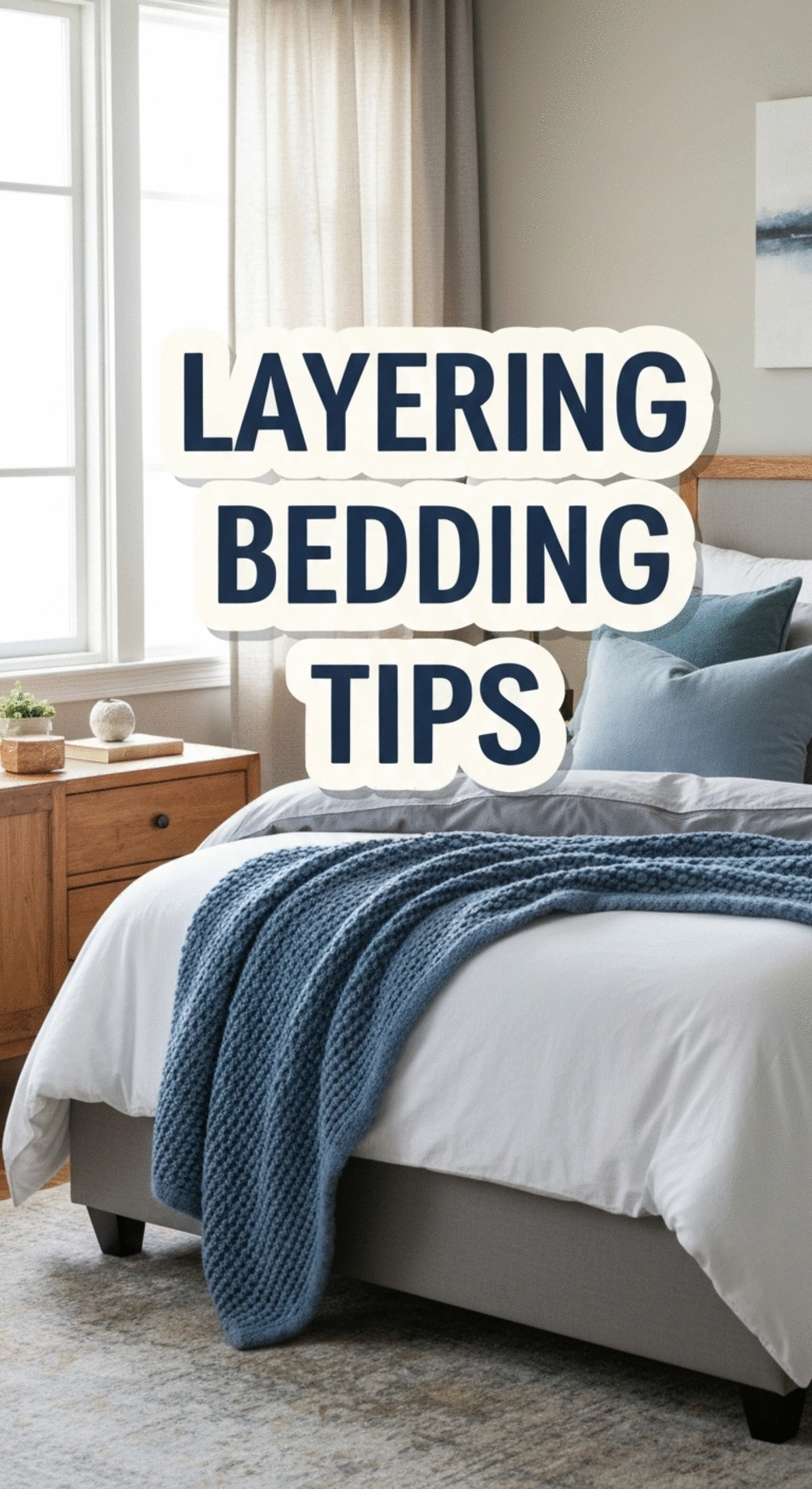
Have you ever considered how the layers of your bedding can impact your sleep quality? Creating a cozy and comfortable sleep environment is more than just aesthetics; it’s about achieving the perfect temperature balance for a restful night.
As an Amazon Associate I earn from qualifying purchases. Affiliate links may earn me a commission at no extra cost to you.
What You Will Learn
- The ideal sleep temperature range for optimal rest is between 60°F and 67°F (15°C to 19°C).
- Layering your bedding effectively can help you adapt to temperature fluctuations throughout the night.
- Each layer of bedding serves a specific purpose, such as providing warmth or breathability, enhancing overall comfort.
- Regular maintenance of your bedding can extend its lifespan and ensure continued comfort.
Understanding the Role of Layering in Bedding for Temperature Control
Creating a cozy bedroom isn't just about aesthetics; it's also about ensuring that your sleep space promotes temperature balance. Maintaining the right temperature while you sleep can significantly impact your overall sleep quality. If you’ve ever woken up feeling too hot or too cold, you know firsthand how crucial it is to achieve that sweet spot!
When your sleep environment is too warm, it can lead to restless nights and discomfort. Conversely, being too cold can also disrupt your sleep. This is where layering your bedding comes into play. By understanding how to balance these layers, you can create a personalized sleep haven that adjusts to your ideal comfort level.
Why Temperature Matters for Sleep Comfort
The temperature of your bedroom can determine how well you rest. Studies show that sleeping in an environment that is too warm or too cool can lead to interrupted sleep cycles. Ideally, the optimal sleep temperature for most people falls between 60°F and 67°F (15°C to 19°C).
- A comfortable sleeping temperature promotes deeper sleep.
- It helps your body maintain its natural temperature regulation.
- Good temperature control reduces nighttime awakenings.
By layering your bedding wisely, you can easily adapt to fluctuations in temperature throughout the night. Wouldn't it be nice to wake up feeling refreshed, instead of tossing and turning? Let’s dive into how layering can enhance your sleep comfort!
How Layering Bedding Enhances Sleep Comfort
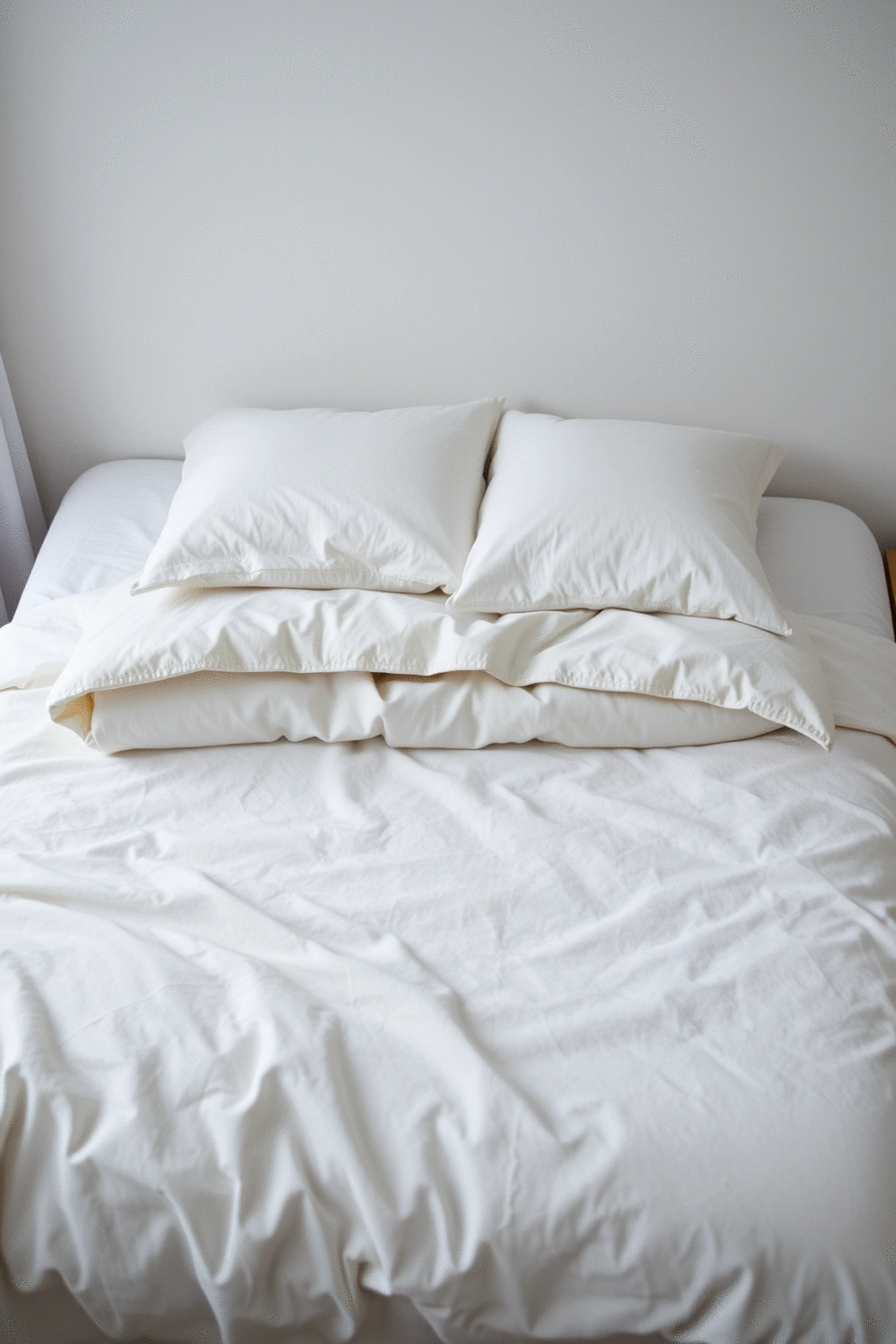
Layering bedding not only adds a touch of style but also plays a vital role in regulating your body temperature. Each layer serves a purpose, whether it's for warmth, breathability, or moisture-wicking. Typically, a layered setup includes a mattress protector, sheets, blankets, and a comforter or duvet.
- Mattress Protectors: They provide a barrier against allergens and moisture, which can help maintain a stable temperature.
- Sheets: Choose breathable fabrics to allow airflow and wick away moisture.
- Blankets: The right blankets provide an extra layer of warmth without overheating.
By carefully selecting and layering these components, you can create a customized sleep environment that adapts to your individual needs. If you're interested in specific materials that work best for layering, check out my post on bedding materials for better sleep quality. For more tips on creating a peaceful sleep space, consider reading 10 Essential Tips to Create a Peaceful Sleep Space.

Visualizing Your Bedding Layering Strategy
To truly grasp the art of layering your bedding, a visual guide can be incredibly helpful! A step-by-step infographic can not only enhance understanding but also make the process more engaging. Imagine having a clear blueprint right at your fingertips, showing how each layer contributes to your overall sleep comfort. This way, you can see how to combine different materials and weights effectively, ensuring that your bedroom feels like a cozy sanctuary.
Step-by-Step Infographic for Layering Bedding
- Layer 1: Start with a mattress protector for hygiene and temperature regulation.
- Layer 2: Choose breathable sheets made from materials like cotton or linen.
- Layer 3: Add a lightweight blanket for versatility across seasons.
- Layer 4: Select a plush comforter or duvet according to your warmth needs.
- Layer 5: Finish with decorative pillows that enhance both comfort and aesthetics.
This infographic can serve as a quick reference, making it easier to adjust your bedding layers according to the changing seasons. Understanding how different fabrics interact with temperature is crucial for achieving that cozy atmosphere we all crave. You might also find inspiration in how to use textures and fabrics for an inviting home.
Frequently Asked Questions (FAQs)
- What is the ideal sleep temperature range?
The optimal sleep temperature for most people is between 60°F and 67°F (15°C to 19°C). - Why is layering bedding important for sleep quality?
Layering helps regulate your body temperature, adapting to fluctuations throughout the night and preventing you from waking up too hot or too cold, thus promoting deeper sleep. - What are the main components of a layered bedding system?
A typical layered setup includes a mattress protector, fitted and flat sheets, blankets, and a comforter or duvet. - How does a mattress protector contribute to temperature control?
Mattress protectors help maintain a stable temperature by providing a barrier against allergens and moisture, which can impact overall bed temperature. - How often should bedding be maintained?
Sheets and pillowcases should be washed weekly. Comforters and duvets should be cleaned according to their specific instructions, and pillows and blankets should be fluffed regularly to maintain shape and comfort.
Final Thoughts on Achieving Optimal Sleep Comfort
Maintaining your bedding is just as important as selecting the right layers. Regular care can extend the life of your bedding materials, ensuring they continue to provide comfort night after night. Here are some quick care tips:
- Wash sheets and pillowcases weekly to keep them fresh and clean.
- Follow washing instructions for comforters and duvets to prevent damage.
- Regularly fluff pillows and blankets to maintain their shape and comfort.
- Consider using hypoallergenic laundry detergents if you have sensitivities.
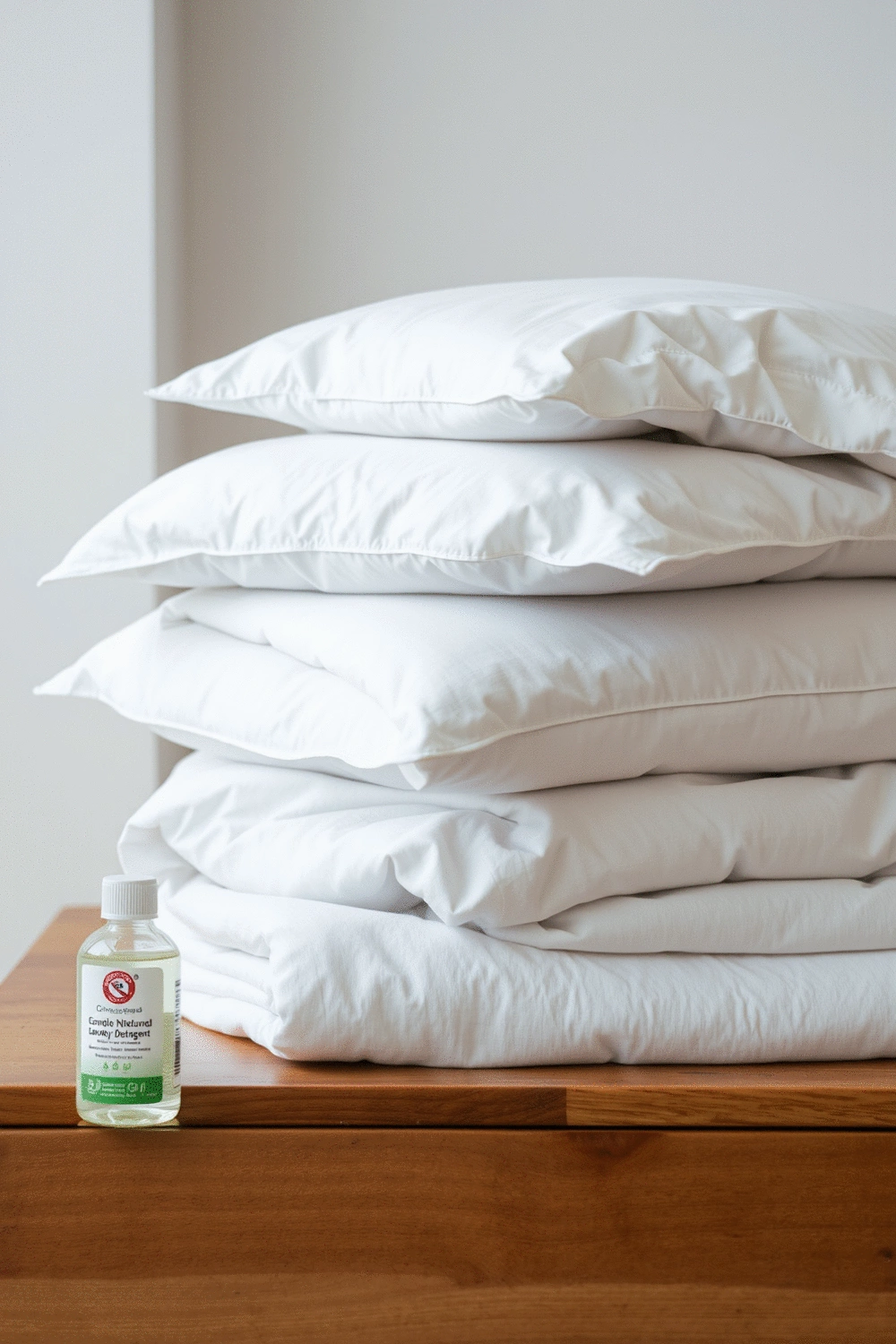
By taking these simple steps, you'll ensure your bedding layers feel as good as they look. Lastly, I encourage you to experiment with different layering techniques! Personalizing your bedding approach is essential to finding what truly works best for you. Discover what combinations bring you joy and comfort, and don’t hesitate to dive into my article on seasonal bedding ideas for inspiration on how to keep your setup fresh and inviting throughout the year! For more ideas on enhancing your sleeping environment, explore using color psychology for a calming bathroom, which can also apply to bedrooms.
Recap of Key Points
Here is a quick recap of the important points discussed in the article:
- Maintaining an optimal sleep temperature (60°F to 67°F) is crucial for sleep quality.
- Layering your bedding can help regulate body temperature and enhance sleep comfort.
- Each bedding layer serves a specific purpose: mattress protectors for hygiene, breathable sheets for airflow, and suitable blankets for warmth.
- Regular maintenance, such as washing sheets weekly and fluffing pillows, prolongs bedding life and comfort.
- Experimenting with different layering techniques helps personalize your sleep environment for maximum comfort.