Bedroom Soundproofing Ideas for Deeper Sleep
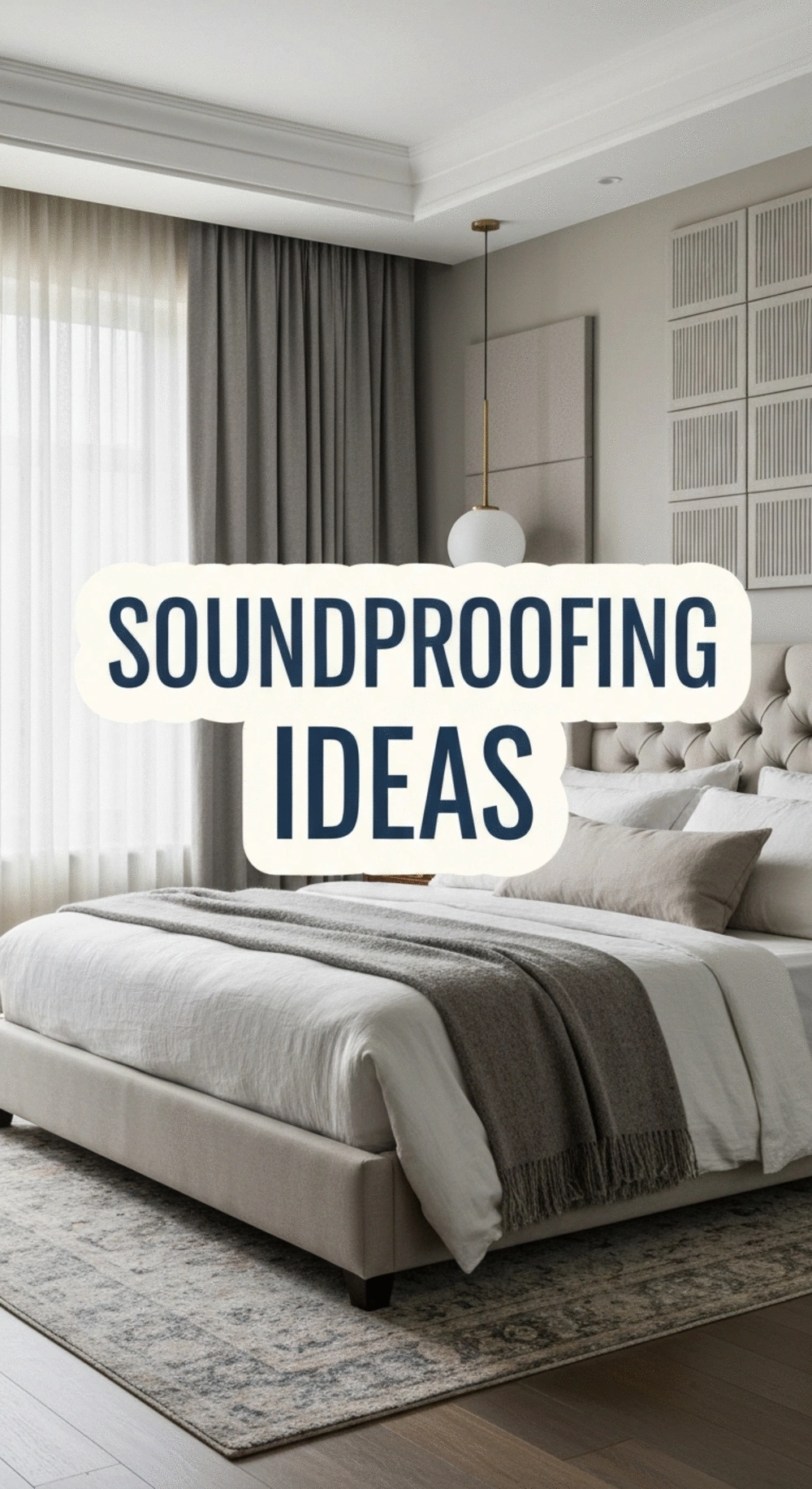
Have you ever thought about how much noise influences your sleep quality? Research reveals that the sounds surrounding us can significantly affect our ability to achieve restful sleep. Understanding this connection is essential for transforming your bedroom into a serene sanctuary.
As an Amazon Associate I earn from qualifying purchases. Affiliate links may earn me a commission at no extra cost to you.
What You Will Learn
- Noise disrupts sleep architecture, leading to lighter sleep stages and reduced time in deep sleep.
- Keeping noise levels below 30 decibels is optimal for improving sleep quality.
- Incorporating good sleep hygiene practices, like a regular sleep schedule, helps manage noise effects.
- Identifying noise sources and setting realistic sound reduction goals are crucial for effective soundproofing.
Understanding the Link Between Noise and Sleep Quality
When it comes to sleep, noise can be a significant disruptor. Many people, including myself, don’t realize how much our sleep is affected by sounds in our surroundings. Whether it's traffic, barking dogs, or even your own HVAC system, these noises can hinder our ability to drift off into a peaceful slumber. Understanding the relationship between noise and sleep quality is crucial for creating the serene bedroom environment we all desire!
It’s fascinating to learn that noise impacts sleep architecture—the structure of our sleep cycles. Our sleep includes various stages, such as light sleep, deep sleep, and REM sleep, each playing a vital role in our overall health. Frequent disturbances can prevent us from achieving the deep sleep necessary for rejuvenation. So, how do we manage this noise issue? Let’s explore!

How Noise Impacts Sleep Architecture
Noise can disrupt our sleep architecture by causing awakenings and fragmenting sleep cycles. Research shows that exposure to loud sounds can lead to lighter sleep stages and less time spent in deep sleep. This means that despite spending enough hours in bed, we may not feel refreshed upon waking. Here are some ways noise influences sleep architecture:
- Increased awakenings during the night
- Reduced time in deep sleep stages
- Higher chances of waking up feeling groggy or unrested
Managing these disruptions is essential for improving sleep quality. It’s also beneficial to create a sleep space that minimizes external noise. If you’d like to learn more about creating a peaceful sleep space, check out my post on 10 Essential Tips to Create a Peaceful Sleep Space!
Optimal Noise Levels for Deep Sleep: What You Need to Know
Finding the right balance of sound can actually enhance your sleep experience. Studies suggest that some people benefit from a low level of ambient noise—think gentle rain or soft music. Optimal noise levels for deep sleep can vary, but here are a few key points to consider:
- Keep noise levels below 30 decibels for ideal sleeping conditions
- Use white noise machines to mask disruptive sounds
- Experiment with soothing sounds, like nature or ambient music
It's amazing how small adjustments can lead to a more restful night! For more tips on creating a calming atmosphere, consider reading about 7 Best Bedroom Lighting Ideas for Relaxing Sleep. You might also find inspiration in how to create a harmonious color palette for open-plan living to extend tranquility throughout your home.

The Role of Sleep Hygiene in Managing Noise Effects
Sleep hygiene refers to the habits and practices that promote consistent, uninterrupted sleep. To effectively manage noise effects, it’s essential to incorporate good sleep hygiene into your routine. Some beneficial practices include:
- Establishing a regular sleep schedule
- Creating a calming pre-sleep routine
- Limiting screen time before bed
By integrating these practices into your daily life, you can improve both your sleep quality and your ability to cope with noise. Remember, your bedroom should be your sanctuary, free from disturbances. If you want to dive deeper into optimizing your bedroom for better sleep, check out my post on How to Declutter Your Bedroom for Better Sleep!
Taking Action: Your Next Steps to a Quieter Bedroom
Ready to create a peaceful retreat? Soundproofing your bedroom is a significant step towards achieving that serene environment you desire. Let’s dive into actionable steps you can take to improve your space!
Creating a Personalized Plan for Soundproofing
Every bedroom is unique, just like your style! Start by assessing the specific noise issues you face in your space. Here’s a simple plan to guide you:
- Identify noise sources: Listen for sounds that disrupt your relaxation—traffic, neighbors, or even your own appliances.
- Set your goals: Decide how much sound reduction you want. Are you aiming for complete silence or just a softer environment?
- Research solutions: Explore soundproofing methods that suit your needs and budget.
This tailored approach ensures you tackle the most pressing noise issues, making your soundproofing efforts effective and personal!
Establishing Your Budget: What Should You Expect to Spend?
When it comes to soundproofing, having a budget in mind can make the process smoother. Here’s a quick breakdown of what to consider:
- Materials: High-quality soundproofing materials can vary in price, from economical options like weatherstripping to more premium solutions such as acoustic panels.
- Labor costs: If you’re hiring professionals, factor in potential costs for installation.
- DIY savings: Consider doing some of the work yourself to save money—there are many cost-effective DIY soundproofing tips available!
Setting a clear budget not only keeps you on track but also helps you prioritize which soundproofing methods to invest in first! For more ideas on enhancing your home's ambiance, explore tips on how to create inviting scents for living rooms.
Choosing the Right Soundproofing Materials for Your Needs
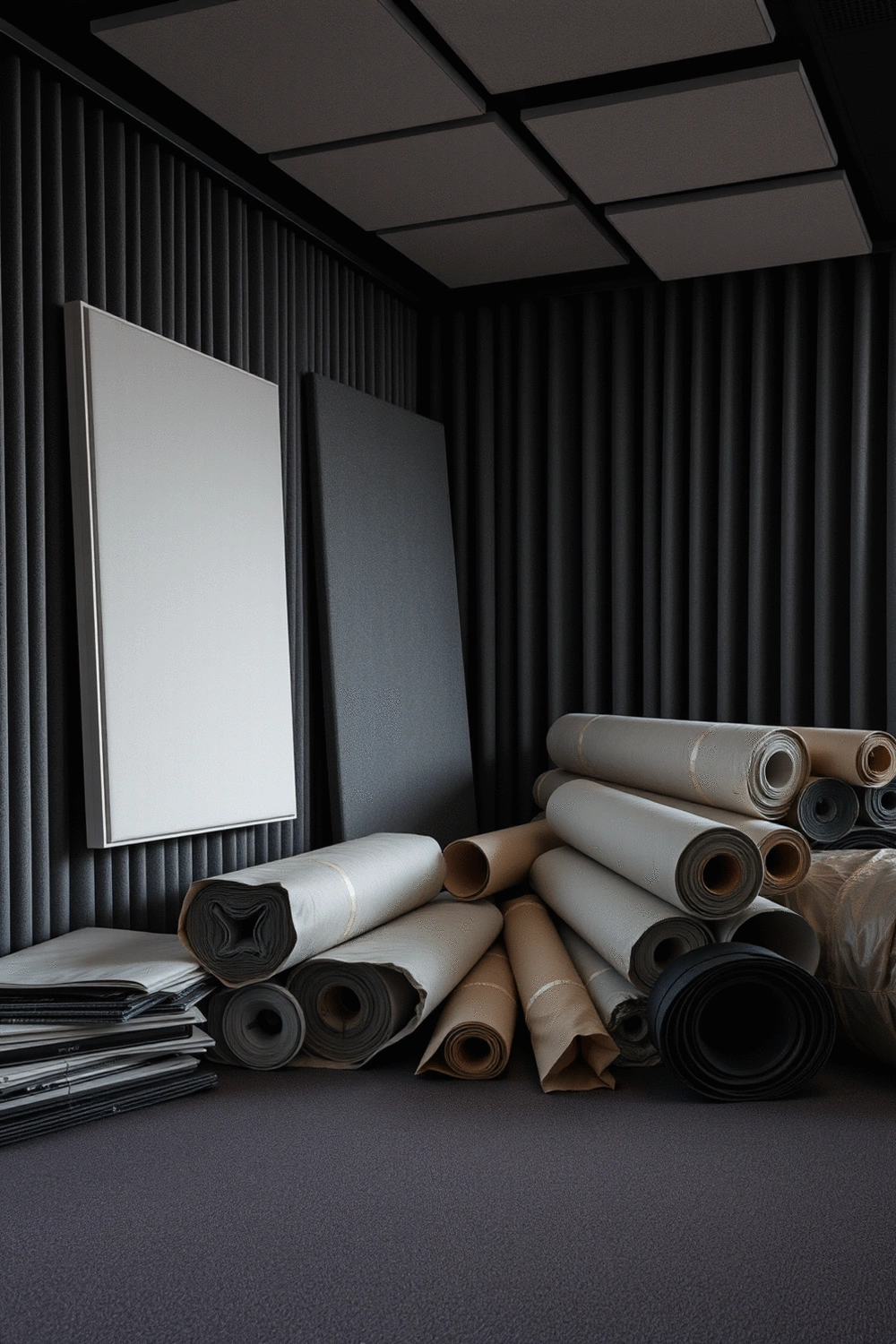
With so many options available, selecting the right materials can feel overwhelming. Here are some effective choices to consider:
- Acoustic Panels: These are excellent for absorbing sound and improving the acoustic quality of your bedroom.
- Soundproof Curtains: Heavy drapes can block out noise while also adding a touch of elegance to your decor.
- Mass-Loaded Vinyl: A favorite among those serious about soundproofing, this material can be applied to walls, ceilings, and floors for dramatic noise reduction.
- Weatherstripping: This is an affordable way to seal gaps around windows and doors to minimize sound leakage.
With these materials, you can tailor your soundproofing efforts to fit your personal style and your bedroom’s specific needs. A well-informed choice will help you create the cozy, quiet sanctuary you crave!
Engaging with Community Insights and Expert Opinions
As you embark on this soundproofing journey, don’t forget to lean on community insights and expert opinions!
Recap of Key Points
Here is a quick recap of the important points discussed in the article:
- Noise significantly disrupts sleep quality and can affect sleep architecture.
- Optimal noise levels for deep sleep are below 30 decibels; consider using white noise machines.
- Incorporate good sleep hygiene practices, such as a regular sleep schedule and a calming pre-sleep routine.
- Identify specific noise sources and set clear goals for soundproofing your bedroom.
- Choose appropriate soundproofing materials, such as acoustic panels and soundproof curtains, tailored to your needs.
Frequently Asked Questions About Noise and Sleep
- Q: How does noise affect my sleep?
- A: Noise disrupts your sleep architecture, leading to increased awakenings, lighter sleep stages, and reduced time in deep sleep, making you feel unrested even after a full night's sleep.
- Q: What are optimal noise levels for deep sleep?
- A: It's generally recommended to keep noise levels below 30 decibels for ideal sleeping conditions. White noise machines or soothing ambient sounds can help mask disruptive noises.
- Q: What is sleep hygiene, and how does it help with noise?
- A: Sleep hygiene refers to habits and practices that promote consistent, uninterrupted sleep. Good sleep hygiene, like a regular sleep schedule and a calming pre-sleep routine, can help your body better cope with and minimize the impact of noise on your sleep.
- Q: How can I start soundproofing my bedroom?
- A: Begin by identifying specific noise sources, setting realistic sound reduction goals, and researching suitable soundproofing methods and materials that fit your budget and needs.
- Q: What materials are effective for soundproofing a bedroom?
- A: Effective materials include acoustic panels for sound absorption, soundproof curtains to block noise, mass-loaded vinyl for walls, ceilings, and floors, and weatherstripping to seal gaps around windows and doors.