Commercial Guide Best Bedding for Quality Sleep
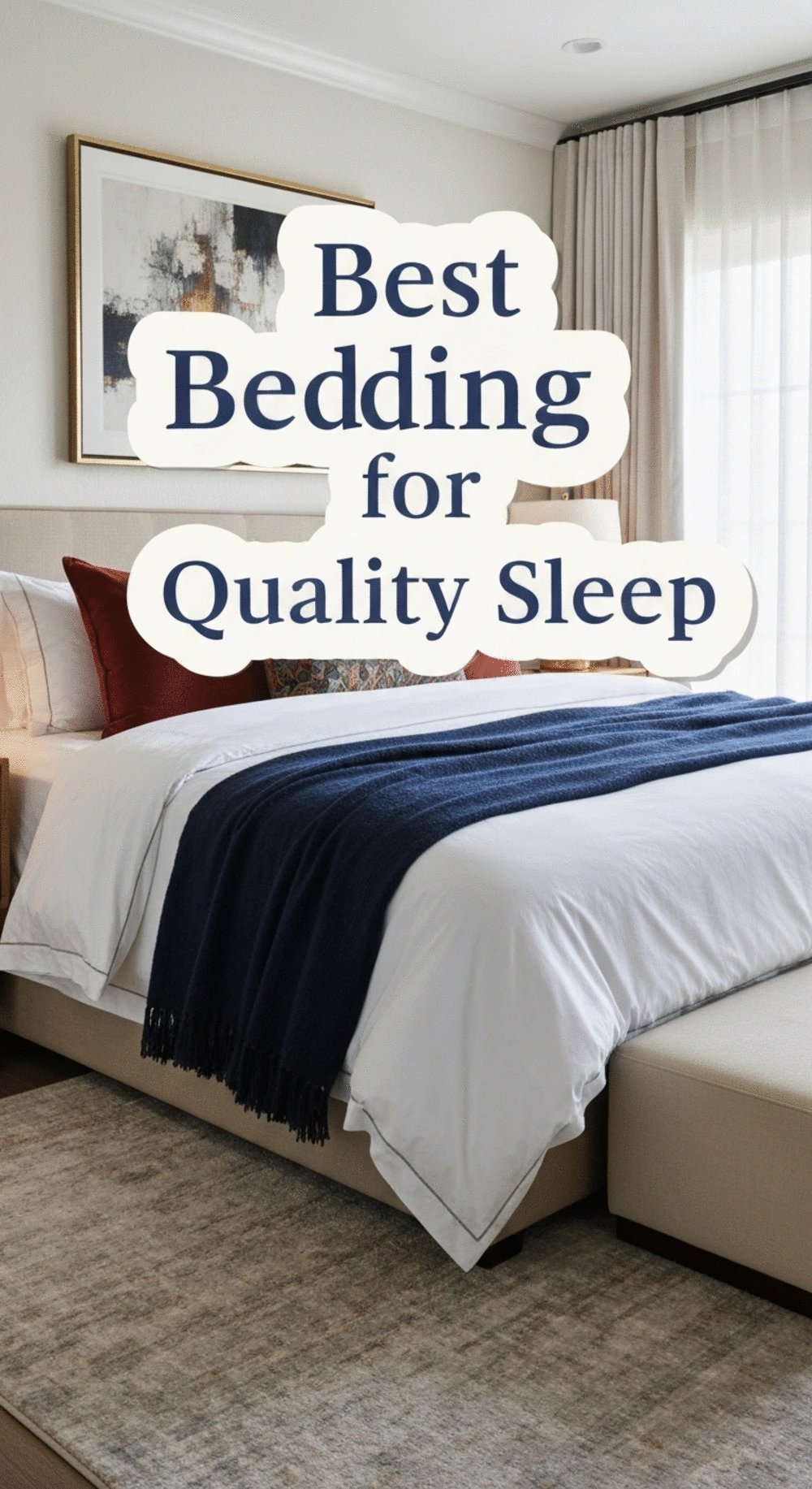
When it comes to creating the perfect sleep environment, your choice of bedding can make all the difference. Quality bedding not only enhances comfort but also impacts the quality of your sleep. Ready to transform your bedroom into a cozy sanctuary? Read on to discover essential criteria for selecting the best bedding!
As an Amazon Associate I earn from qualifying purchases. Affiliate links may earn me a commission at no extra cost to you.
What You Will Learn
- Key bedding materials to consider include cotton for breathability, bamboo for hypoallergenic properties, and linen for temperature regulation.
- A thread count between 300 and 600 is ideal, balancing softness and durability without compromising material quality.
- Opt for sustainable bedding options like organic cotton and Tencel to create a tranquil, eco-friendly sleep environment.
- Hypoallergenic bedding can significantly improve sleep quality for those with allergies, using materials like microfiber and organic cotton.
- Utilizing checklists during your bedding purchase can ensure you consider all important factors such as material quality and care instructions.
- Understanding return policies and warranties is crucial to avoid surprises and ensure satisfaction with your purchases.
- Take advantage of sleep trials when available, as they allow you to test bedding before making a final decision.
- Engaging with local bedding stores can provide personalized recommendations and insights that enhance your shopping experience.
Understanding Quality Bedding: Essential Criteria
When it comes to creating that perfect sanctuary for sleep, quality bedding is a fundamental element that can’t be overlooked. Not only does it enhance the comfort of your space, but it can also significantly influence the quality of your sleep. Let’s dive into what defines quality bedding and explore the essential criteria to help you make informed choices.
Evaluating Material Types: Cotton, Bamboo, and Linen
First up, let's discuss the various materials you can choose for your bedding. Each type has its unique benefits:
- Cotton: A classic choice known for its breathability and softness. It's durable and easy to care for.
- Bamboo: This eco-friendly option is naturally hypoallergenic and moisture-wicking, perfect for hot sleepers.
- Linen: A luxurious choice that becomes softer with each wash, offering a relaxed aesthetic and great temperature regulation.
Choosing the right material not only affects your comfort but also complements the overall style of your bedroom. For more insights on selecting the best bedding materials, check out my post on bedding materials for better sleep quality.
Thread Count and Its Impact on Comfort and Durability
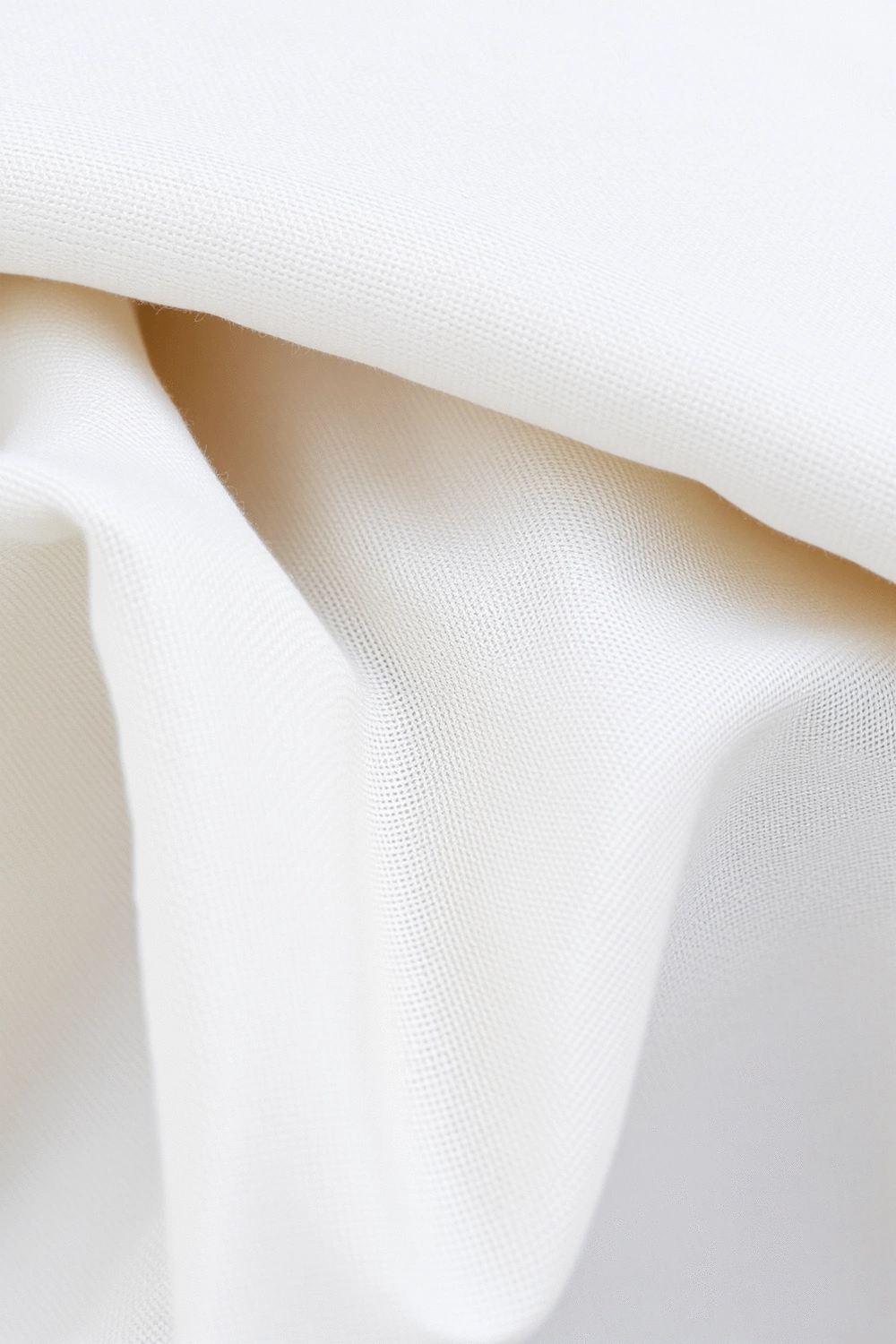
Next, we can't ignore the importance of thread count. Generally, a higher thread count indicates a denser fabric, which can lead to increased durability and a softer feel. However, it’s essential to consider quality over quantity. A thread count between 300 and 600 is usually ideal for most bedding.
- 300-400: Great balance of softness and durability.
- 400-600: Luxurious feel, especially for sheets.
- Above 600: Not always better; focus on material quality.
Always remember to check the fabric composition alongside the thread count to ensure you're choosing bedding that truly meets your comfort needs.
Sustainable Sourcing: Why It Matters for Your Sleep Environment
In our modern world, being conscious of the environment is more critical than ever. Sustainable bedding options not only support eco-friendly practices but can also enhance the tranquility of your sleep space. Look for materials that are certified organic or produced through sustainable practices.
- Organic Cotton: Grown without harmful pesticides, making it safer for you and the planet.
- Lyocell (Tencel): Made from sustainably sourced wood pulp, known for its softness and breathability.
- Bamboo: As mentioned earlier, it grows quickly and requires less water than traditional crops.
By choosing sustainable bedding, you’re not only creating a cozy environment but also contributing to a healthier planet. For more ideas on eco-friendly decor, you might enjoy my post on eco-friendly and sustainable bedroom decor ideas.

Exploring Hypoallergenic Bedding Options for Sensitive Sleepers
If you or someone in your household suffers from allergies, opting for hypoallergenic bedding can significantly improve the sleep experience. These products are designed to resist allergens like dust mites, mold, and pet dander.
- Microfiber: Known for its softness and resistance to allergens.
- Bamboo Bedding: Naturally hypoallergenic and antimicrobial.
- Organic Cotton: Free from harsh chemicals that can irritate sensitive skin.
By choosing hypoallergenic materials, you can ensure a peaceful night’s sleep without the threat of allergies disrupting your rest.
Frequently Asked Questions About Quality Bedding
- What are the best bedding materials for comfort and quality?
- The best bedding materials include cotton for breathability and durability, bamboo for its hypoallergenic and moisture-wicking properties, and linen for luxurious softness and temperature regulation.
- What is an ideal thread count for bedding?
- An ideal thread count for bedding typically ranges between 300 and 600. This range offers a good balance of softness, durability, and material quality without over-reliance on thread count alone.
- Why is sustainable bedding important?
- Sustainable bedding is important because it supports eco-friendly practices, reduces environmental impact, and often uses materials free from harmful chemicals, contributing to a healthier sleep environment and planet.
- What are the benefits of hypoallergenic bedding?
- Hypoallergenic bedding is designed to resist allergens like dust mites, mold, and pet dander, which significantly improves sleep quality for individuals with allergies or sensitive skin by creating a cleaner sleep environment.
- How can sleep trials help in choosing bedding?
- Sleep trials allow you to test bedding products in your own home for an extended period, helping you evaluate comfort, assess personal preferences, and reduce buyer's remorse before making a final commitment, especially for higher-priced items.
Making Informed Decisions in Your Bedding Purchases
When it comes to selecting bedding, being informed is key! A thoughtful approach can make all the difference in your comfort and satisfaction. I always recommend utilizing checklists for quality assessment to ensure you don't overlook any essential criteria. Here are a few key points to consider:
- Material quality: Look for breathable, soft fabrics like cotton or bamboo.
- Thread count: Aim for a balance between comfort and durability.
- Care instructions: Make sure the bedding is easy to maintain.
With this checklist in hand, you can shop confidently, knowing you’re choosing the best options for your sleep sanctuary!
Utilizing Checklists for Quality Assessment
Checklists not only keep you organized but also help you compare different bedding options more effectively. For instance, consider using a checklist that includes:
- Fabric type and its properties
- Allergies or sensitivities to specific materials
- Return policy and warranty details
This way, you can filter through your choices and find what truly fits your needs, be it from a local shop or an online retailer. For more tips on organizing your home, check out our guide on entryway organization ideas for busy families.
Understanding Return Policies and Warranties for Bedding Products
Understanding return policies and warranties is crucial for making a confident purchase! As you shop, always check:
- The length of the return period, which often ranges from 30 to 90 days.
- Whether the bedding can be returned if it's opened.
- Details about any warranties that cover defects or deterioration over time.
Knowing these details will help you avoid surprises and ensure you can exchange or return products if they don’t meet your expectations. After all, nobody wants to be stuck with bedding that doesn’t feel right!
Sleep Trials: How They Can Influence Your Bedding Choices
Many retailers now offer sleep trials, allowing you to test out bedding before fully committing. This is a fantastic opportunity to experience how a product fits into your sleep routine. Here’s why I think sleep trials are essential:
- They allow you to evaluate comfort over several nights.
- You can assess whether the bedding meets your personal preferences.
- They reduce the risk of buyer’s remorse, especially for high-end items.
Take advantage of these trials whenever possible, as they can lead you to your ultimate cozy bedding choice!

Engaging with Local Resources and Expertise
While online shopping offers convenience, don’t forget to explore local resources for personalized recommendations. Connecting with experts in your area can provide insights that online retailers may not offer.
Connecting with Local Bedding Stores for Personalized Recommendations
Local bedding stores often have knowledgeable staff who can help you find the right bedding for your needs. Here’s what to do:
- Visit stores and ask specific questions about materials and comfort.
- Request samples to feel the fabric and gauge its quality.
- Take note of any local sales or events that may offer discounts!
Building a relationship with local stores can lead to better purchasing experiences and perhaps even some delightful surprises!
Exploring Regional Preferences in Bedding Features
Different regions have distinct preferences when it comes to bedding. In warmer areas, breathable fabrics are often favored, while cooler climates may lead to a preference for heavier, warmer options. By understanding these trends, you can tailor your shopping:
- Research what materials are popular in your area.
- Consider the style of bedding that fits local design aesthetics.
- Ask locals about their favorite stores for unique finds!
Your region’s preferences can significantly influence your comfort and style—so it’s smart to pay attention! You might also find inspiration in our article on color palette inspiration for cozy rooms to tie your bedding into your overall decor.
Consulting with Sleep Experts: Finding Professional Guidance for Better Sleep
Consulting with sleep experts can provide invaluable insights into how your bedding affects sleep quality. Here are some ways to engage with professionals:
- Seek advice from sleep specialists who understand the connection between bedding and sleep health.
- Consider attending workshops or seminars on sleep wellness.
- Follow local sleep clinics or wellness centers for tips on improving your sleep environment.
The guidance from these experts can empower you to create a sleep space that not only looks good but also promotes restful sleep.
Your Next Steps for Quality Bedding Purchases
As you embark on your bedding shopping journey, remember to approach it with a clear plan. Make sure to refer back to your checklist and local resources to ensure you’re making informed decisions.
How to Approach Your Bedding Shopping Journey
Start by defining your needs and preferences. Ask yourself:
- What materials do I prefer?
- What is my budget?
- Am I looking for specific features, such as hypoallergenic options?
Once you've answered these questions, you’re ready to dive into your shopping experience with confidence!
Downloadable Checklist for Quality Bedding Assessment
Lastly, I’ve created a downloadable checklist for assessing quality bedding options, so you can keep track of everything effortlessly! This checklist will help you remember to consider all the essential factors we've discussed. Click here to get your checklist and start your journey toward the perfect bedding for your cozy space!
Recap of Key Points
Here is a quick recap of the important points discussed in the article:
- Choose breathable and comfortable materials like cotton, bamboo, or linen for your bedding.
- Aim for a thread count between 300 and 600 for optimal comfort and durability.
- Opt for sustainable bedding options, such as organic cotton or Tencel, to support eco-friendly practices.
- Select hypoallergenic bedding materials if you or someone in your household has allergies.
- Utilize checklists for quality assessment when shopping for bedding to ensure all essential criteria are met.
- Understand return policies and warranties to avoid surprises post-purchase.
- Take advantage of sleep trials to evaluate comfort before making a final decision.
- Engage with local bedding stores for personalized recommendations and insights.