How to Choose Bedroom Curtains for Better Sleep
Did you know that the right curtains can transform your bedroom into a sleep sanctuary? By understanding how light, noise, temperature, and fabric types affect your sleep quality, you can make informed choices that enhance your rest. Let’s explore these insights!
As an Amazon Associate I earn from qualifying purchases. Affiliate links may earn me a commission at no extra cost to you.
What You Will Learn
- Choosing the right curtains can block unwanted light, promoting better melatonin production for improved sleep quality.
- Heavy, noise-reducing curtains can significantly diminish outside sounds, creating a peaceful sleep environment.
- Thermal curtains help regulate your bedroom temperature, ensuring comfort throughout the seasons.
- Different curtain types like sheer and blackout can enhance lighting control, allowing you to create a calming atmosphere that suits your needs.
Understanding the Role of Bedroom Curtains in Sleep Quality
When it comes to creating a serene sleep environment, bedroom curtains play a crucial role! They are not just decorative elements; they significantly influence our sleep quality. The right curtains can enhance your sleep sanctuary, helping you achieve a peaceful night's rest. In this section, we'll explore how light, noise, temperature, and lighting impact our sleep and how selecting the right curtains can make all the difference.
The Connection Between Light and Sleep: Why It Matters
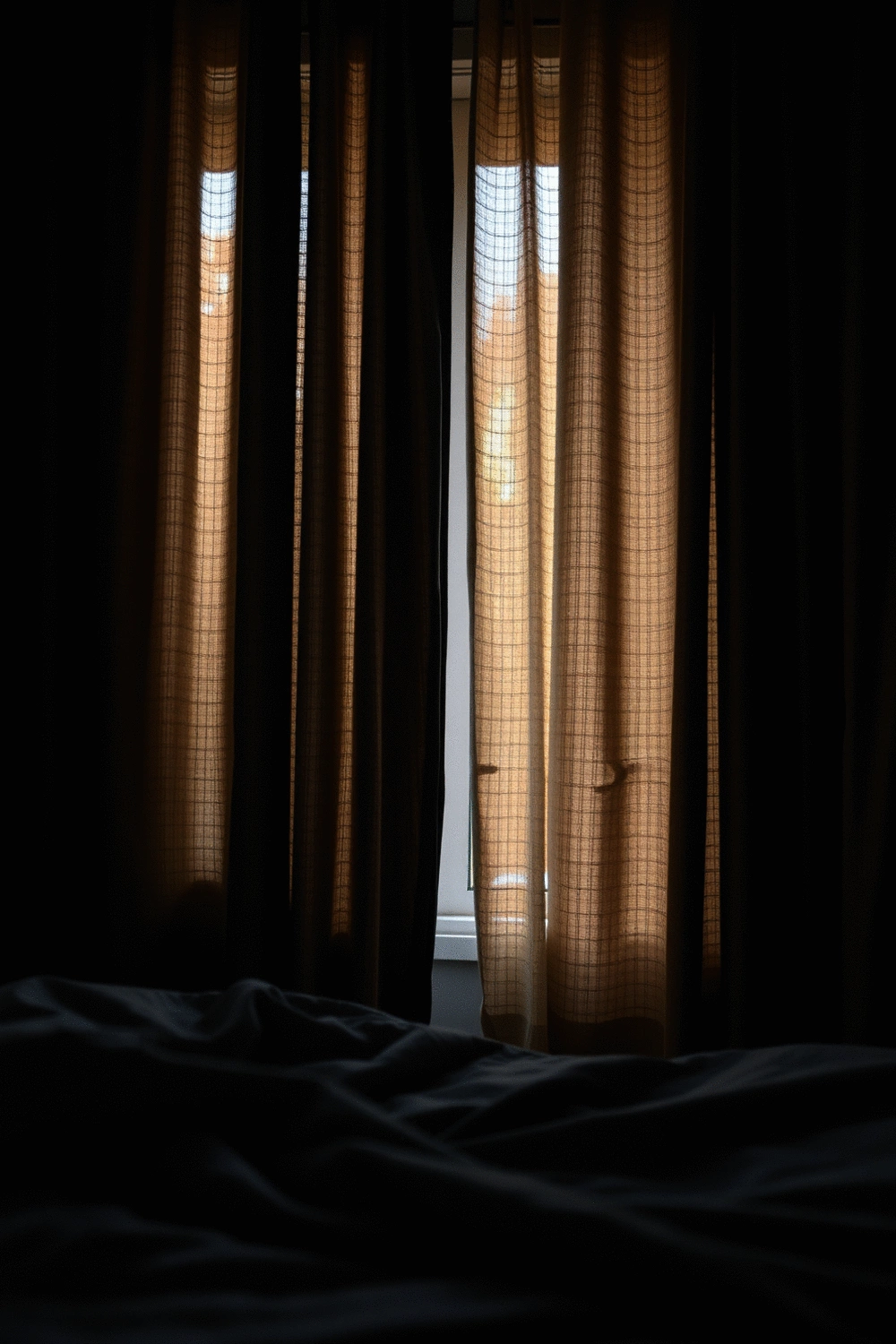
Light is one of the most significant factors that affect our sleep patterns. Exposure to natural sunlight during the day can boost melatonin production at night, which is vital for sleep. However, too much light in the bedroom can disrupt your sleep cycle. That's where the right curtains come in! Here are some ways your curtains can help:
- Block out unwanted light from street lamps or early morning sun.
- Create a dark, calming atmosphere conducive to sleep.
- Help maintain a consistent sleep schedule by limiting light exposure.
Choosing curtains that effectively block light can make your bedroom a true retreat. For more tips on creating a peaceful sleep space, check out our article on 10 Essential Tips to Create a Peaceful Sleep Space.
Exploring Noise Factors: How Sound Impacts Your Rest
Just like light, noise can be a significant disruptor of sleep quality. Whether it's traffic, neighbors, or household sounds, unwanted noise can keep you awake and impact your restful nights. Here’s how curtains can help reduce noise:
- Opt for heavy, noise-reducing curtains that dampen sound.
- Layering curtains can create additional sound barriers.
- Choose fabrics designed specifically for sound absorption.
By selecting the right curtains, you can enjoy a quieter sleep environment that promotes deeper rest. Remember, a peaceful atmosphere is key, and I share more about soundproofing ideas in my post on Bedroom Soundproofing Ideas for Deeper Sleep.
Temperature Control: Creating a Comfortable Sleep Environment
Your bedroom's temperature is another crucial element that affects your ability to fall and stay asleep. Curtains can help regulate indoor temperatures, ensuring you stay cozy throughout the night. Here are a few features to look for:
- Thermal curtains that provide insulation against heat and cold.
- Light-colored curtains that reflect sunlight, keeping the room cooler.
- Dark-colored curtains that absorb heat during colder months.
By managing temperature through your curtains, you’ll create a more comfortable sleep environment. If you’re looking for design ideas to enhance your bedroom, explore my article on 10 Master Bedroom Design Ideas for Cozy Serenity.
The Impact of Bedroom Lighting on Sleep Hygiene
Finally, the type of lighting in your bedroom, influenced by your curtains, can affect your sleep hygiene. Soft, warm lighting can create a calming atmosphere. Here are some ways to enhance your bedroom lighting:
- Use sheer curtains to filter in natural light during the day.
- Layer curtains to adjust light levels according to your needs.
- Consider curtains with a blackout feature for nighttime.
With the right approach, your curtains can help foster a better sleep routine. Remember, every little detail matters when designing a space that supports restful slumber! For more inspiration, you might find useful tips on inviting small living room ideas for cozy spaces, which can be adapted to bedroom design.
Choosing the Right Type of Curtains for Better Sleep
When it comes to enhancing your sleep quality, selecting the right type of curtains can make a world of difference. Not only do curtains serve as a decorative element in your bedroom, but they also play a critical role in controlling light, temperature, and noise. In this section, I’ll guide you through the various curtain types that can help create the perfect sleep environment.
Let’s dive into some options that cater to your unique needs and preferences!
Blackout Curtains: Maximizing Darkness for Melatonin Production
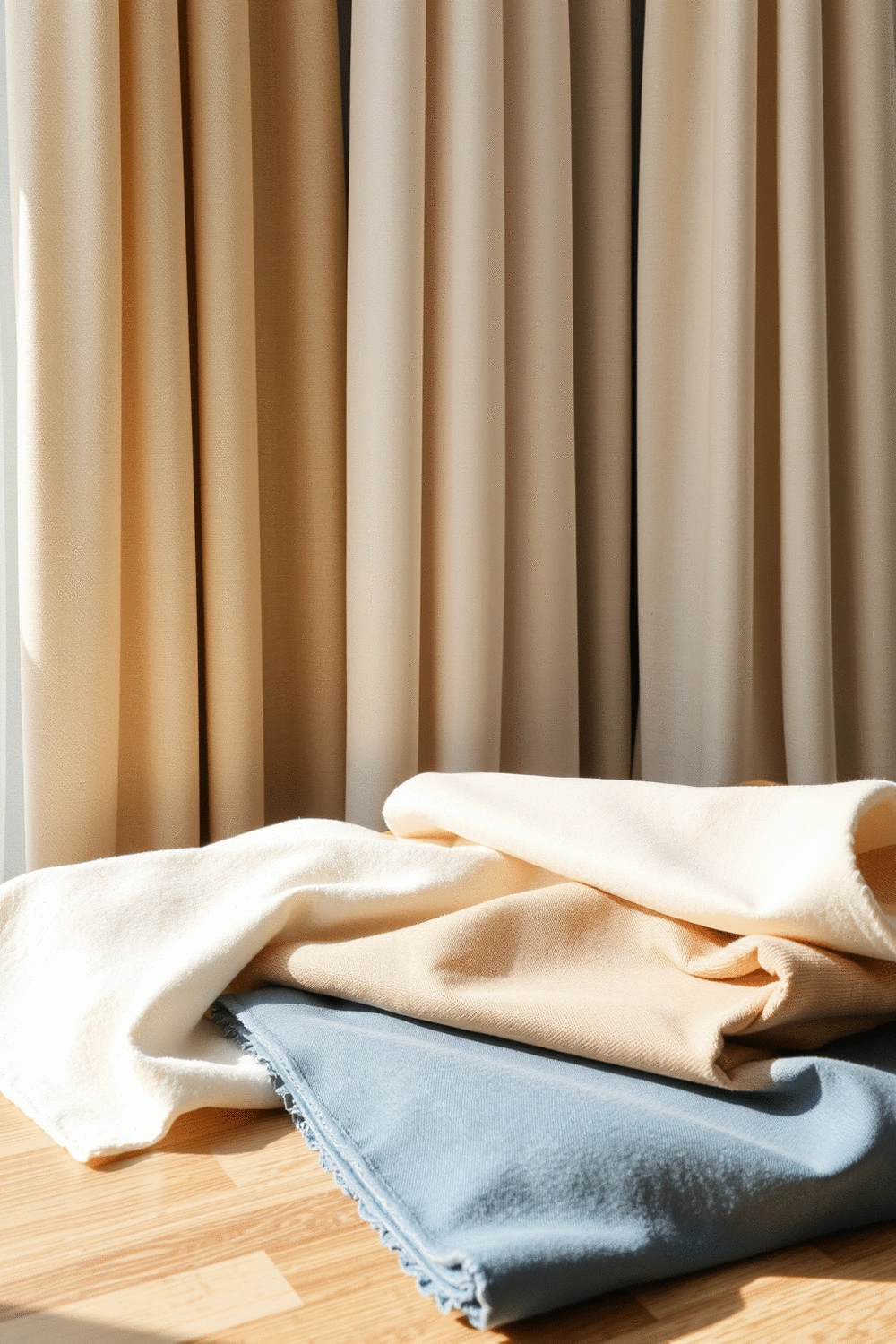
If you're struggling with morning light disrupting your sleep, blackout curtains are your best friend! These curtains effectively block out sunlight, allowing your body to produce melatonin, the hormone responsible for regulating sleep. Here are some benefits:
- Blocks up to 99% of outside light
- Helps maintain a consistent sleep schedule
- Reduces noise from outside distractions
By creating a darkened environment, blackout curtains can significantly improve your sleep quality. If you want to learn more about optimizing your sleep space, check out my post on 10 Essential Tips to Create a Peaceful Sleep Space!
Sheer Curtains: Balancing Natural Light and Privacy
For those who love natural light but still want some level of privacy, sheer curtains are a wonderful option. They allow soft light to filter into your bedroom while still offering a degree of concealment from outside view. Consider the following:
- Creates a soft, airy ambiance
- Enhances the beauty of your decor
- Perfect for layering with blackout curtains
Sheer curtains can complement your bedroom decor while providing a cozy atmosphere. If you're keen on creating a personalized sleep space, my guide on Creating a Personalized Sleep Space for Relaxation is a must-read!
Thermal Curtains: Regulating Temperature for Year-Round Comfort
Temperature can greatly impact your sleep quality, and that’s where thermal curtains come into play. These specially designed curtains help insulate your room, keeping it warm in winter and cool during summer. Here are some key features:
- Helps save on energy bills
- Reduces drafts and outside noise
- Enhances comfort in all seasons
By investing in thermal curtains, you’ll create a more conducive sleep environment all year round. If you’re looking for more ideas on optimizing your bedroom, don’t miss my post about 10 Small Bedroom Sleep Space Solutions for Maximum Comfort.
Noise-Reducing Curtains: Materials That Dampen Sound
If noise pollution is a concern in your area, noise-reducing curtains can be a game changer. These curtains are crafted from thick, heavy materials designed to absorb sound, giving you a quieter space to unwind. Consider these points:
- Great for urban areas with high traffic
- Creates a more peaceful sleeping environment
- Often available in beautiful designs and colors
Noise-reducing curtains can transform your bedroom into a tranquil retreat, making sleep much more restful. When selecting curtains, remember to think about how they fit into your overall design aesthetic! You can also find inspiration in articles about creating a calm ambiance, such as designing your bathroom for relaxation and calm, which offers transferable principles.
Privacy Curtains: Enhancing Your Sleep Sanctuary
Finally, privacy curtains are essential for creating a serene sleep sanctuary. Whether you live in a busy neighborhood or just want to keep your space intimate, these curtains add a layer of security and comfort. Here’s why they’re a smart choice:
- Provides peace of mind when sleeping
- Ensures your personal space feels cozy
- Available in a variety of styles to match your decor
Investing in privacy curtains is a step towards enhancing your overall sleep experience. By thoughtfully selecting the right curtains, you can create a sleep environment that promotes relaxation and rejuvenation.
Frequently Asked Questions (FAQs)
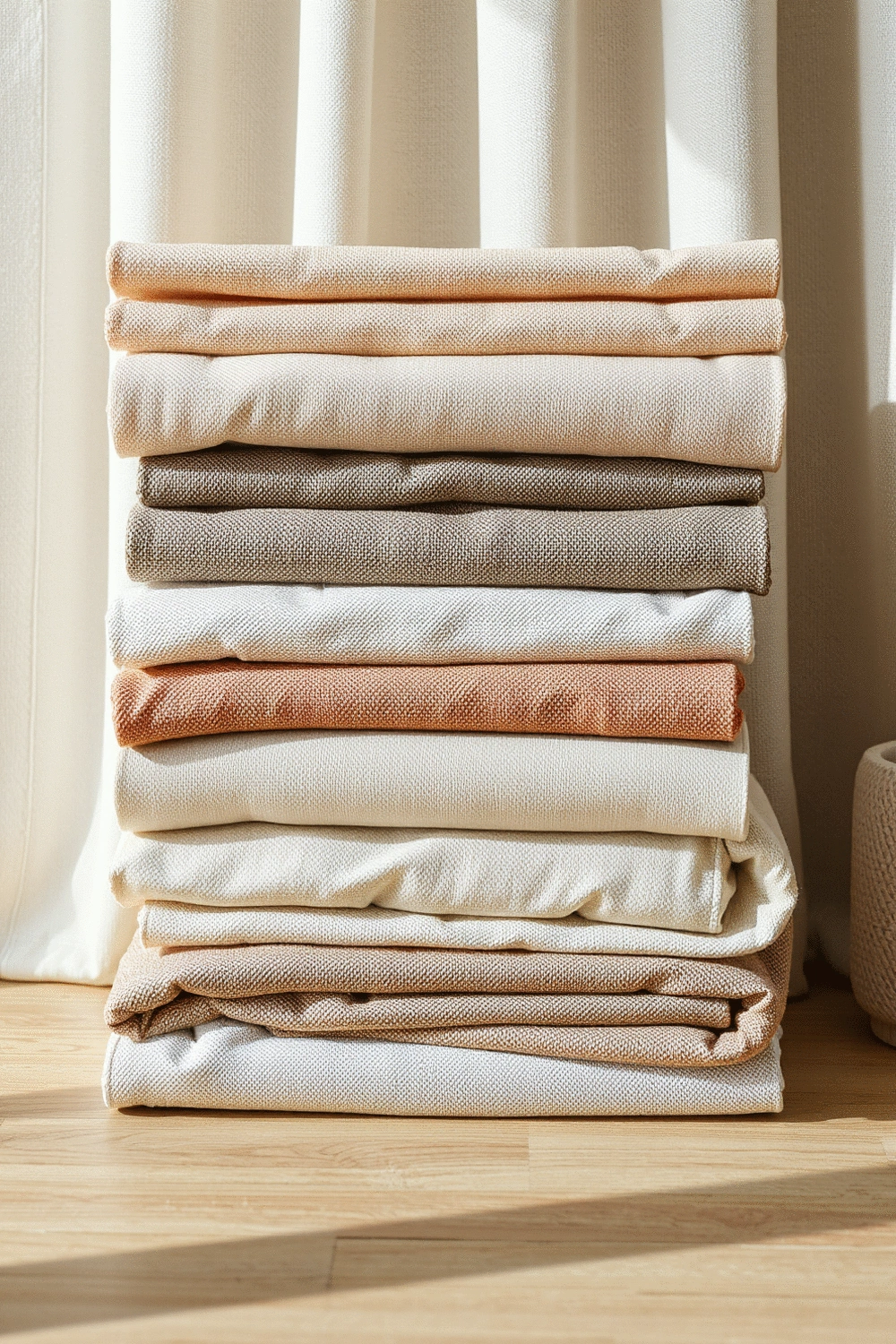
Here are some common questions about choosing curtains for better sleep:
- How do curtains affect melatonin production?
Curtains, especially blackout curtains, help block unwanted light, which is crucial for the body to naturally produce melatonin. Melatonin is the hormone that regulates sleep-wake cycles, so a dark environment promotes its production, leading to better sleep. - What types of curtains are best for reducing noise?
Heavy, thick curtains or those specifically labeled as "noise-reducing" are best for dampening outside sounds. Layering multiple curtain panels can also enhance sound absorption. - Can curtains help regulate bedroom temperature?
Yes, thermal curtains are designed with insulating properties that help keep your room warmer in winter and cooler in summer. This helps maintain a comfortable temperature for sleep year-round. - What is the difference between blackout and sheer curtains?
Blackout curtains are designed to block almost all external light, creating a dark environment ideal for sleep. Sheer curtains, on the other hand, allow natural light to filter through while still providing some privacy, creating a softer ambiance. - Why is controlling bedroom lighting important for sleep hygiene?
Controlling bedroom lighting helps establish a consistent sleep routine. Soft, warm lighting can signal to your body that it's time to wind down, while too much bright or artificial light can disrupt your natural sleep cycle.
Recap of Key Points
Here is a quick recap of the important points discussed in the article:
- Choose curtains that effectively block light to enhance melatonin production and improve sleep quality.
- Opt for noise-reducing or heavy curtains to create a quieter sleep environment.
- Select thermal curtains to help regulate bedroom temperature for year-round comfort.
- Incorporate sheer curtains to balance natural light and maintain privacy.
- Consider blackout curtains for optimal darkness during sleep.