How to Declutter Your Bedroom for Better Sleep

What if the secret to a better night's sleep was simply cleaning your room? Clutter can overwhelm your senses and disrupt your ability to relax. By tackling the mess, you may find it easier to unwind and rest, leading to improved sleep quality.
As an Amazon Associate I earn from qualifying purchases. Affiliate links may earn me a commission at no extra cost to you.
What You Will Learn
- Clutter creates mental chaos, making it difficult to relax and fall asleep.
- An organized bedroom can significantly reduce anxiety and promote better sleep quality.
- Establishing a calming bedtime routine enhances sleep hygiene and supports restful sleep.
- Setting realistic decluttering goals can make the process more manageable and rewarding.
- Mindfulness techniques, like visualization and deep breathing, can prepare you mentally for decluttering.
Understanding the Connection Between Clutter and Sleep Quality
When it comes to enhancing your sleep quality, the state of your bedroom plays a crucial role. A cluttered space can create feelings of stress and anxiety, making it harder to unwind at the end of the day. At Cozy Space Vibes, I believe that a serene environment is key to restful sleep. Let’s explore how clutter impacts your sleep and what you can do about it!
How Clutter Affects Your Sleep Environment
Your bedroom should be a retreat, but clutter can turn it into a source of frustration. When we see disorganized piles or unnecessary items, our minds can get overwhelmed. This mental chaos can trigger stress, which disrupts our ability to relax and fall asleep. A clean, organized space, on the other hand, invites calmness and comfort.
- Visual distractions can keep your mind racing.
- Clutter can harbor dust, impacting air quality.
- A disorganized room makes it hard to find what you need, adding to your stress.
By addressing these clutter issues, you can transform your bedroom into a peaceful haven. I've seen firsthand how a tidy space can significantly improve my clients' sleep quality, making them feel more refreshed and ready for the day ahead!
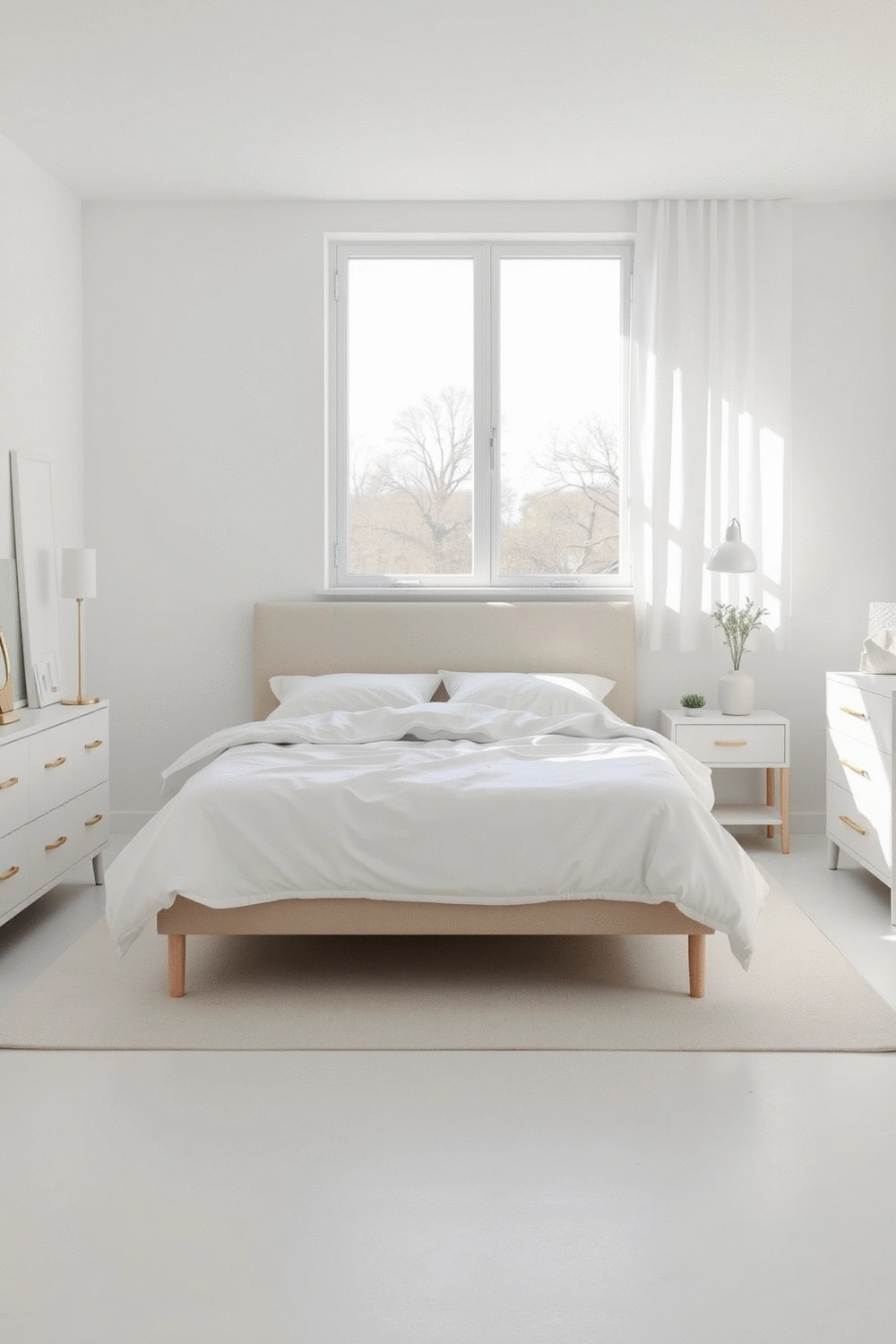
Research Insights: The Science Behind Sleep and Organization
Research shows that the environment where you sleep directly affects your sleep quality. Studies indicate that people who maintain organized sleeping spaces often report better sleep patterns. This connection emphasizes the importance of creating an inviting and clutter-free environment.
- Sleep hygiene practices are essential for restful sleep.
- Studies suggest a tidy bedroom reduces anxiety and promotes relaxation.
- Neat surroundings foster a more positive mindset.
Understanding this connection helps us appreciate the role we play in shaping our sleep environment. If you're curious about enhancing your sleep hygiene further, check out my post on 10 Essential Tips to Create a Peaceful Sleep Space for some practical advice!
The Role of Sleep Hygiene in Enhancing Sleep Quality
Sleep hygiene encompasses the habits and practices that promote consistent, uninterrupted, and quality sleep. It goes hand in hand with decluttering your space. By establishing a calming routine, you can signal to your body that it’s time to wind down.
- Establish a relaxing bedtime routine.
- Keep your bedroom dark and cool for optimal sleep conditions.
- Limit screen time before bed to reduce distractions.
Integrating these sleep hygiene practices with a decluttered environment can lead to a significant improvement in your overall sleep quality. For more on creating a relaxing atmosphere, don’t miss my article about lighting ideas for a relaxing sleep.
Preparing for Your Decluttering Journey
Before diving into the decluttering process, it’s essential to set yourself up for success. The journey towards a serene and organized bedroom requires preparation and a positive mindset. Here are a few steps to help you start:
- Understand your motivation: Reflect on why you want to declutter. Is it to reduce stress, improve sleep, or simply create a more inviting space?
- Choose a timeline: Set aside a specific time each week to focus on decluttering. Consistency will make a significant difference.
- Gather your supplies: Arm yourself with storage bins, trash bags, and cleaning supplies. Being prepared can make the process smoother.
Having a plan can alleviate feelings of overwhelm. I always remind myself that progress, no matter how small, is still progress! Setting realistic goals will keep you motivated and excited about the transformation ahead.

Setting Realistic Goals: What to Expect from the Process
Decluttering is not a one-size-fits-all process. It requires patience and realistic expectations. I suggest breaking down your decluttering goals into manageable tasks:
- Start small: Focus on one area or zone each time. For instance, clearing your nightstand can be a great first step.
- Be specific: Instead of aiming to "clean the bedroom," set a goal like "remove five items from the dresser."
- Celebrate milestones: No matter how small, celebrate each step you complete to keep the momentum going.
By setting these tangible goals, you’ll witness your progress more clearly, which can be incredibly empowering. Trust me; even tiny shifts can create a significant impact on how you feel in your space! You might also find inspiration in these tips for creating an inviting living room, as many principles of organization apply universally.
Creating a Productive Workspace for Decluttering
A conducive environment can dramatically influence your decluttering efficiency. Find a dedicated space where you won’t be interrupted. Here are some tips to create a productive workspace:
- Clear your mind: A clutter-free workspace mirrors the clutter-free mindset we aim for. Clear your immediate surroundings before you start.
- Gather tools: Have everything you need within reach: bags for donations, a recycling bin, and your favorite playlist to keep you motivated!
- Limit distractions: Turn off your phone notifications and find a quiet space to help maintain focus.
When I work in a well-organized space, I find that I can think clearer and work faster. It’s all about creating an atmosphere that inspires action and encourages a sense of calm. For another perspective on creating functional and calm spaces, consider how to choose the right entryway storage furniture.
Mindfulness Techniques to Prepare for Decluttering
Getting into the right mental space can be just as crucial as the physical act of decluttering. Here are a few mindfulness techniques I often use to prepare:
- Visualization: Imagine your ideal bedroom. Visualizing the end result can motivate you and clarify what you want to achieve.
- Deep breathing: Take a few minutes to breathe deeply and center yourself. This practice can reduce anxiety and set a positive tone for your decluttering journey.
- Affirmations: Use positive affirmations to encourage yourself. Phrases like "I am creating a peaceful space" can reinforce your goals.
Incorporating these techniques can transform your mindset, paving the way for a successful decluttering experience. And remember, every step you take brings you closer to that peaceful sleep environment you deserve!
FAQs: Decluttering for Better Sleep
- Q1: How does clutter in my bedroom affect my sleep quality?
- A1: Clutter can create visual distractions and mental chaos, leading to increased stress and anxiety. This makes it harder for your mind to relax and unwind, ultimately disrupting your ability to fall asleep and stay asleep, thus reducing sleep quality.
- Q2: What is "sleep hygiene" and how does it relate to decluttering?
- A2: Sleep hygiene refers to the habits and practices necessary for consistent, uninterrupted, and quality sleep. Decluttering your bedroom is a crucial component of good sleep hygiene, as a clean and organized space promotes calmness and reduces stress, complementing other practices like a consistent bedtime routine and limiting screen time.
- Q3: How can I set realistic goals for decluttering my bedroom?
- A3: To set realistic goals, start small by focusing on one specific area (e.g., your nightstand or a single drawer). Be specific with your tasks, such as "remove five items from the dresser." Celebrate small milestones to maintain motivation and ensure the process feels manageable rather than overwhelming.
- Q4: What mindfulness techniques can help me prepare for decluttering?
- A4: Mindfulness techniques like visualization (imagining your ideal, clutter-free bedroom), deep breathing (to reduce anxiety and center yourself), and positive affirmations (e.g., "I am creating a peaceful space") can help you get into the right mental state, making the decluttering process more effective and less daunting.
- Q5: Besides decluttering, what else can I do to improve my sleep environment?
- A5: In addition to decluttering, you can improve your sleep environment by establishing a relaxing bedtime routine, keeping your bedroom dark and cool, limiting screen time before bed, and ensuring good air quality by regularly cleaning and dusting your space.
Recap of Key Points
Here is a quick recap of the important points discussed in the article:
- A cluttered bedroom can lead to increased stress and anxiety, negatively impacting sleep quality.
- Maintaining an organized sleep environment promotes better sleep patterns and reduces feelings of overwhelm.
- Establishing a calming bedtime routine and practicing good sleep hygiene are essential for restful sleep.
- Setting realistic decluttering goals, such as focusing on small areas, can make the process manageable and rewarding.
- Creating a productive workspace and using mindfulness techniques can enhance your decluttering experience.