Kids’ Bedroom Sleep Spaces for Restful Nights
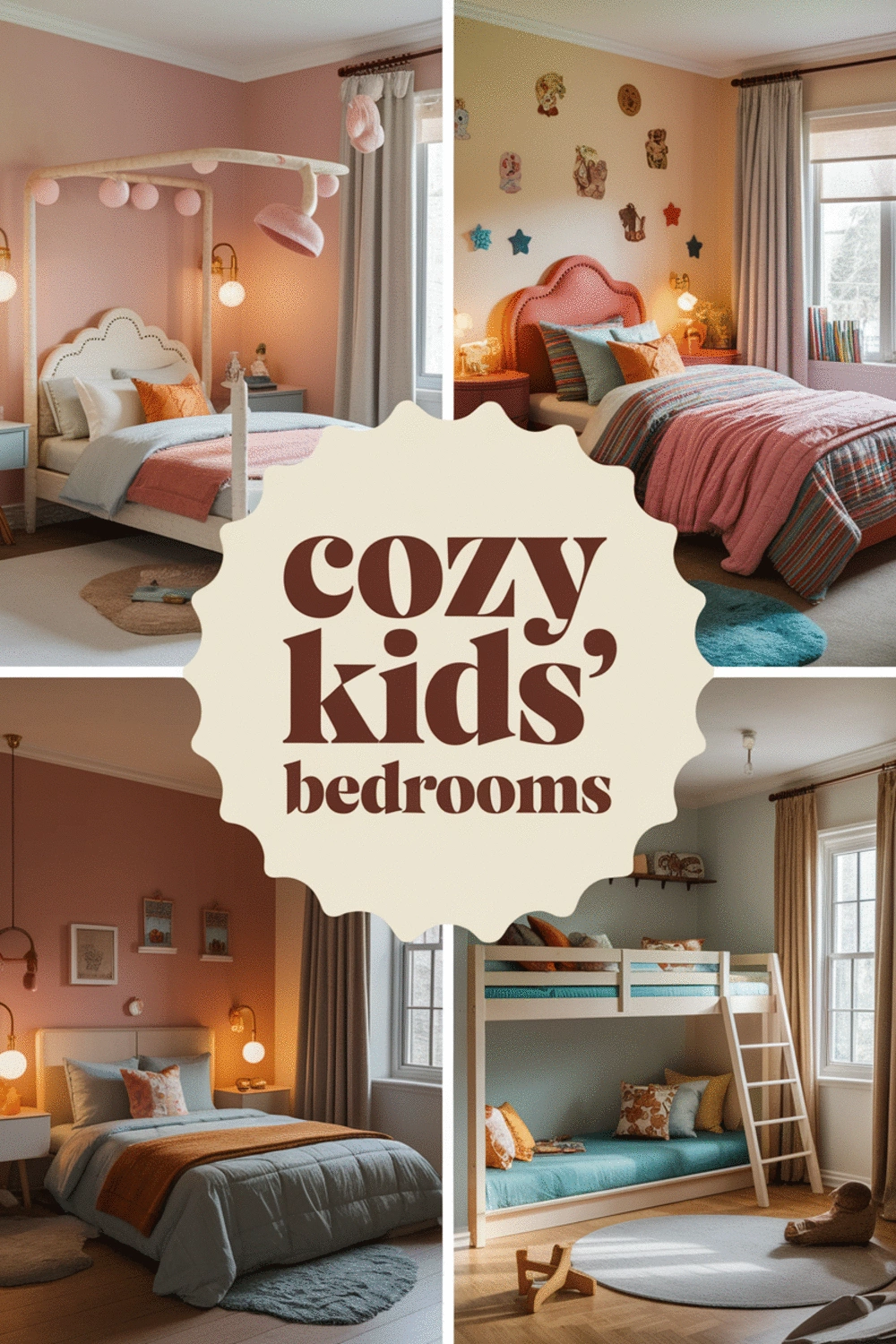
Creating a nurturing sleep environment is essential for a child's well-being. By transforming your child's bedroom into a cozy sanctuary, you can significantly improve their sleep quality and emotional health. Here are the key takeaways to guide you in this process:
As an Amazon Associate I earn from qualifying purchases. Affiliate links may earn me a commission at no extra cost to you.
What You Will Learn
- A clutter-free and calming bedroom promotes better sleep quality and emotional health.
- Utilize soft colors like blues and greens to create a tranquil atmosphere conducive to relaxation.
- Designate separate zones for sleeping, playing, and studying to encourage structured routines.
- Incorporate comfortable seating and warm lighting to create inviting corners for relaxation and reading.
- Choose versatile, kid-friendly furniture that can adapt as your child grows to maximize space effectively.
Creating Cozy and Calming Kids’ Bedroom Sleep Spaces
As a parent, you know how crucial a restful sleep environment is for your little ones. A well-designed sleep space can significantly impact children's sleep quality and overall well-being. It's not just about having a bed; it's creating a sanctuary where they feel safe, relaxed, and ready to dream.
When children have a cozy and calming bedroom, they’re more likely to fall asleep quickly and sleep soundly through the night. This translates into better mood, concentration, and behavior during the day! Remember, a peaceful sleep space isn't merely functional—it's also about fostering a nurturing atmosphere that encourages emotional growth and security.
Understanding the Importance of a Restful Sleep Environment
Let’s dive into why the sleep environment is so important. A clutter-free and soothing bedroom can help reduce anxiety and promote relaxation. Here are some key reasons to consider:
- Sleep Quality: A calming atmosphere leads to deeper, more restorative sleep.
- Emotional Health: A cozy, peaceful bedroom fosters feelings of safety and comfort.
- Creativity: A well-thought-out space can inspire imaginative play and relaxation.
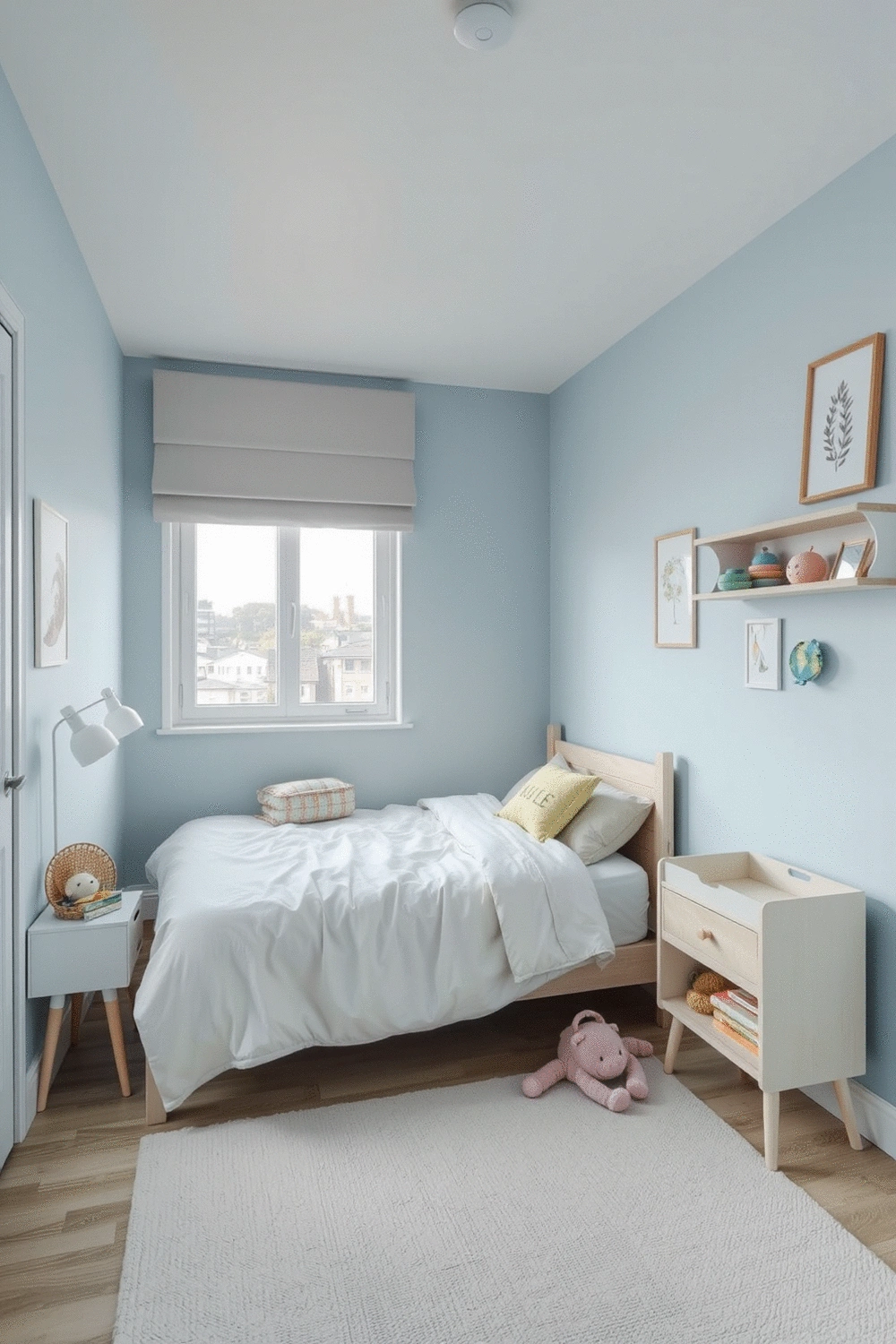
Creating such an environment might seem daunting, but with a little thought and creativity, you can transform your child's room into a haven for sleep and relaxation. For more tips on creating a peaceful sleep space, check out my post on 10 Essential Tips to Create a Peaceful Sleep Space.
Designing Multi-Functional Zones for Kids
In today's homes, it’s vital to maximize every inch of space, especially in kids’ bedrooms. Designing multi-functional zones allows you to create areas for sleep, play, and study—all without compromising comfort. Let's look at how we can optimize these spaces!
Optimizing the Sleep Zone for Comfort
When setting up the sleep zone, prioritize comfort and tranquility. Here are some principles of sleep hygiene and design:
- Clutter Reduction: Keep toys and other distractions in designated areas to maintain a serene atmosphere.
- Calming Colors: Opt for soft hues like blues or greens that encourage relaxation.
- Quality Bedding: Invest in comfortable pillows and soft sheets that your child will love snuggling into.
By implementing these elements, you can create a peaceful sleep zone that promotes restfulness. I also recommend checking out my article on Top Bedroom Color Schemes for Restful Sleep for more insight into choosing the right colors.
Incorporating Play and Study Areas
It's essential to integrate play and study zones in a way that doesn’t disrupt the sleep area. Here are some tips for creating functional spaces:
- Designated Zones: Use rugs or furniture placement to visually separate the sleep area from play and study zones.
- Multi-Functional Furniture: Consider desks that double as play tables to save space.
- Routine Establishment: Encourage children to use the study area during specific times to reinforce boundaries.
Creating these zones thoughtfully can help your child transition smoothly between activities, ensuring they associate their bedroom primarily with sleep. Remember, a structured environment can make a world of difference!
Creating Cozy Corners for Relaxation and Reading
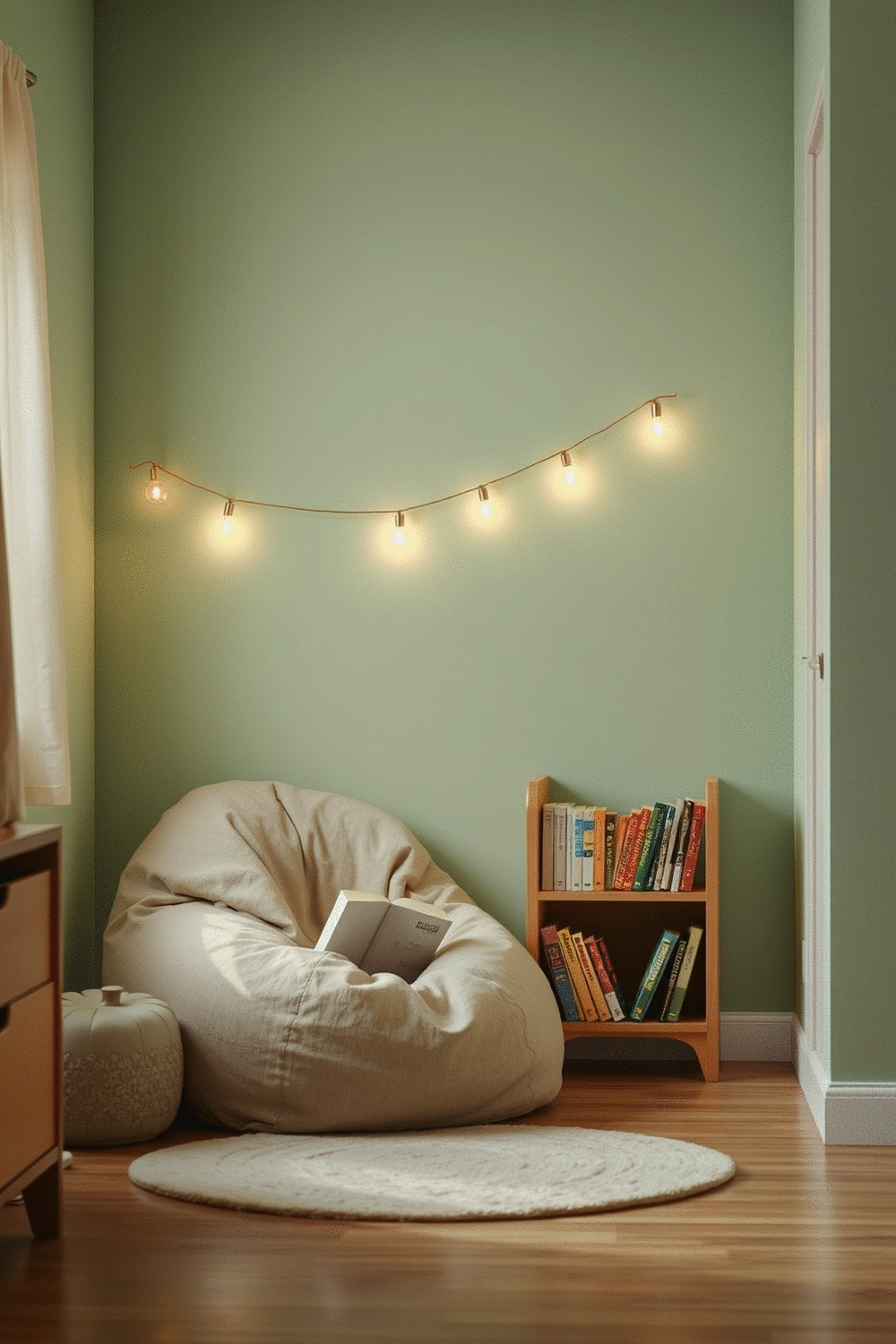
Every child deserves a cozy corner to unwind! A dedicated reading nook not only promotes relaxation but also encourages a love for books. Here’s how to create an inviting reading space:
- Comfortable Seating: Use bean bags or soft cushions that your child can sink into.
- Warm Lighting: Incorporate a small lamp or fairy lights to create a magical atmosphere. For more ideas on lighting, explore inviting living room color schemes.
- Personal Touches: Let your child choose their favorite books or decor to make the space feel uniquely theirs.
This cozy corner will be a retreat where your child can escape into their imagination. For more ideas and inspiration on creating multifunctional spaces, don't forget to explore my post on 10 Small Bedroom Sleep Space Solutions for Maximum Comfort.
Frequently Asked Questions About Kids' Bedroom Sleep Spaces
- Q: Why is a nurturing sleep environment important for children?
- A: A nurturing sleep environment is crucial for a child's overall well-being as it significantly impacts their sleep quality and emotional health. A cozy, calming space helps reduce anxiety, promotes deeper sleep, and fosters feelings of safety.
- Q: What colors are best for a child's bedroom to promote relaxation?
- A: Soft hues like blues and greens are highly recommended as they encourage relaxation and create a tranquil atmosphere conducive to better sleep.
- Q: How can I maximize space in a child's bedroom with multi-functional zones?
- A: You can maximize space by designating separate zones for sleeping, playing, and studying using rugs or furniture placement. Multi-functional furniture, such as desks that double as play tables, also helps save space and encourages structured routines.
- Q: What are some tips for creating a cozy reading corner?
- A: To create a cozy reading corner, use comfortable seating like bean bags or soft cushions, incorporate warm lighting (e.g., a small lamp or fairy lights), and allow your child to personalize the space with their favorite books and decor.
- Q: What safety features should I consider when designing a kids' bedroom?
- A: Prioritize safety by choosing furniture with rounded edges, securing heavy furniture to the wall to prevent tipping, and opting for non-toxic paints and materials for decor.
Summarizing Key Elements for Cozy Kids’ Bedrooms
As we wrap up our discussion, let's highlight the core elements that contribute to creating a cozy and calming sleep space for children. A well-designed bedroom can significantly enhance their sleep quality and overall well-being! Key aspects to keep in mind include:
- Optimizing the sleep zone for comfort through thoughtful layout and calming colors.
- Incorporating play and study areas that encourage creativity without disrupting rest.
- Choosing versatile, kid-friendly furniture that grows with your child.
- Maximizing natural light while implementing smart lighting solutions for a soothing atmosphere.
- Selecting calming color schemes and cozy textiles that promote relaxation.
These elements work together to foster a nurturing environment that supports restful sleep and healthy habits.
Next Steps for Parents in Bedroom Design
Now that you’re armed with ideas, let’s discuss actionable steps to turn your vision into reality! Here’s a checklist to help you implement the discussed design elements effectively:
- Assess your child’s current space and identify areas for improvement.
- Choose a calming color scheme that resonates with your child’s personality.
- Invest in versatile furniture that can adapt to your child's changing needs.
- Designate specific zones for sleeping, playing, and studying to maintain balance.
- Incorporate storage solutions like bins and baskets to keep things tidy.
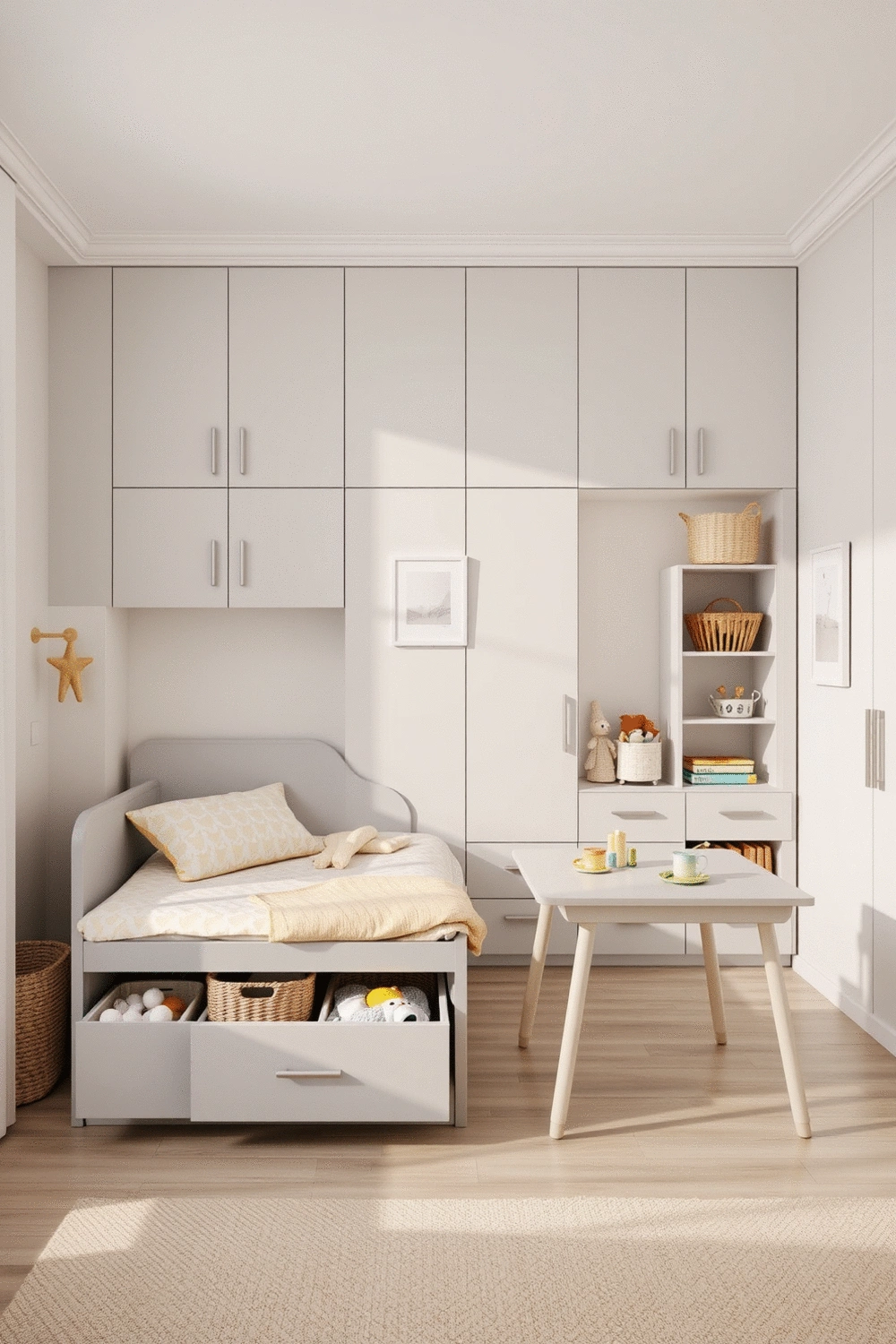
Following these steps will create a peaceful sanctuary that encourages your child to thrive. If you're interested in learning more about the impact of a peaceful sleep space, check out my post on the 10 Essential Tips to Create a Peaceful Sleep Space.
Encouraging Healthy Sleep Habits in Children
Establishing a bedtime routine is crucial for fostering healthy sleep habits! A well-designed bedroom environment plays a significant role in this process. The right colors, lighting, and decor can create a calming atmosphere that signals to your child that it’s time to wind down. For more tips on this, check out my article on How to Declutter Your Bedroom for Better Sleep.
Resources for Further Exploration
There are many great resources available to help you create a cozy bedroom for your child. Here are some expert articles and inspiration links you might find useful:
- Top Bedroom Color Schemes for Restful Sleep
- Consult with a sleep specialist or child psychologist to understand specific needs.
- Visit local stores for hands-on experience with furniture and decor. Also, consider exploring kitchen renovation tips for other areas of your home.
These resources can guide you in crafting a space that truly reflects your child's personality while promoting tranquility.
Incorporating Safety Features in Kids’ Bedrooms
Safety should always be a priority when designing a kids' bedroom. Here are some essential tips to ensure your child's space is both stylish and safe:
- Opt for furniture with rounded edges to prevent accidents.
- Secure heavy furniture to the wall to avoid tipping.
- Choose non-toxic paints and materials for decor.
By keeping safety in mind, you ensure that your child’s cozy space is also a secure one, allowing them to explore and play freely!
Recap of Key Points
Here is a quick recap of the important points discussed in the article:
- Optimize the sleep zone for comfort through thoughtful layout and calming colors.
- Incorporate play and study areas that encourage creativity without disrupting rest.
- Choose versatile, kid-friendly furniture that grows with your child.
- Maximize natural light while implementing smart lighting solutions for a soothing atmosphere.
- Select calming color schemes and cozy textiles that promote relaxation.